
India’s Chief Justice Pushes Virtual Hearings Across High Courts as Fuel Conservation Measure

India’s Chief Justice Pushes Virtual Hearings Across High Courts as Fuel Conservation Measure
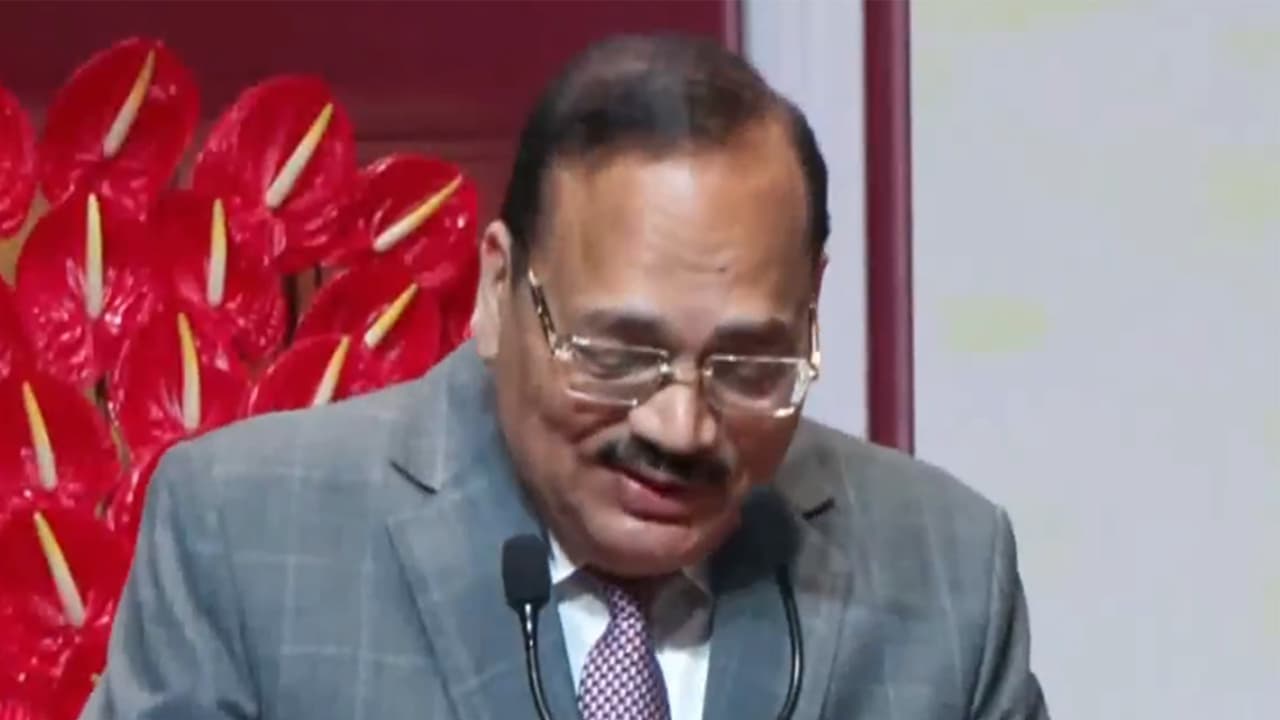
Chief Justice of India (CJI) Surya Kant confirmed on Thursday that he has written to the Chief Justices of all High Courts requesting them to facilitate virtual hearings — and that most have already complied — amid a broader push by the judiciary to conserve fuel during a period of geopolitical energy strain.
A Request, Not a Directive
The CJI’s remarks came in response to a lawyer who sought an urgent hearing on a plea directing all Delhi courts to function online as a fuel-saving measure. CJI Kant made clear that issuing such directions from the judicial side would be inappropriate.
“It may not be appropriate to issue directions on the judicial side. I have already requested the Chief Justices. Most have already implemented. It has to be a voluntary exercise by both the Bar and the Bench,” he told the court.
The distinction matters: framing the shift as a request rather than a mandate preserves institutional autonomy while still signalling the Supreme Court’s preferred direction of travel.
District Courts Remain Under High Court Authority
When the petitioning counsel argued that virtual hearings should be extended to Delhi’s district courts in the “national interest”, the CJI clarified the constitutional and administrative boundaries at play.
District courts fall under the administrative control of their respective High Courts, not the Supreme Court. The decision to extend virtual hearing arrangements to that level therefore rests with each High Court.
“District courts are the domain of High Courts. Let them take the call… I have requested them for district courts also,” CJI Kant said, indicating he had separately written to High Courts on this point as well.
Context: Supreme Court’s Own Fuel Conservation Steps
The push for virtual hearings follows a set of administrative measures introduced by the Supreme Court itself, including mandatory virtual hearings for certain case categories on miscellaneous and partial working days.
After representations from members of the Bar raised concerns, the apex court clarified that physical appearances would still be permitted in unavoidable circumstances, softening the initial rollout.
The broader fuel conservation drive was adopted in response to the West Asia crisis stemming from the US-Iran conflict, which has placed pressure on energy supply chains affecting India.