
ASEAN Leaders Push for Stronger Cooperation on Regional Supply Chains

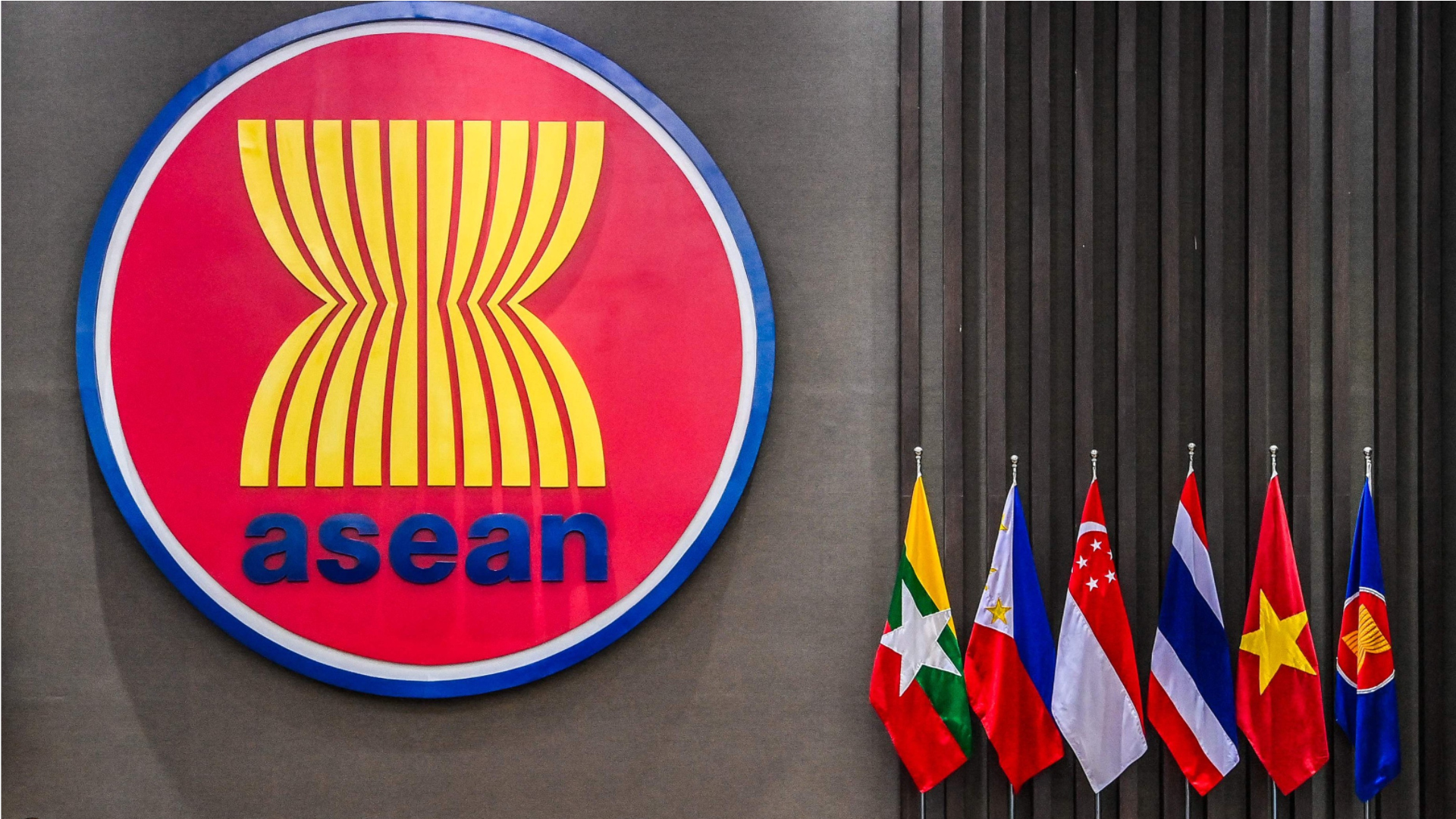
ASEAN leaders are sharpening their focus on supply chains. The aim is to make the region more resilient, more connected, and more competitive. Recent leaders’ statements and summit outcomes show a clear shift from broad ambition to practical coordination.
This matters for Singapore. The Republic’s role as a trade, logistics, and finance hub means smoother regional flows can lift growth. However, tighter rules and higher expectations can also raise compliance costs for firms.
Why regional supply chains are back on top
Supply chains have become a political issue as well as a business one. Shocks from pandemics, wars, and extreme weather have exposed weak links. At the same time, export controls and industrial policy are reshaping where goods are made and how they move.
Leaders now talk more about resilience. In simple terms, resilience is the ability to keep goods moving during disruption and recover quickly when the system breaks.
A leaders’ blueprint for fewer choke points
ASEAN leaders agreed in 2024 on a regional push to enhance supply chain connectivity. The priorities were clear.
First, reduce costs and improve cross-border efficiency. That includes wider use of advanced technologies in logistics and trade processes.
Second, build disaster-preparedness into supply chains. This is about planning for crisis operations, not reacting after the fact.
Third, diversify production and sourcing. That reduces the risk of single points of failure.
The declaration also linked supply chains to food security. It called for better food logistics so essential items stay available and affordable, especially during crises.
Making trade move faster without lowering standards
Leaders have also stressed trade facilitation. Trade facilitation is the simplification of customs and border procedures so goods clear faster with fewer errors.
The 2025 ASEAN Summit Chairman’s Statement reinforced this direction. It highlighted deeper intra-ASEAN trade and investment, plus stronger supply chain connectivity, as part of a drive to keep ASEAN competitive in a more fragmented global economy.
At the same summit, ASEAN noted progress on digital trade tools. These include expanding electronic documents in trade, such as e-certificates used for sanitary and phytosanitary checks in food and agriculture. Faster verification can cut delays at borders.
Digital rules become supply chain policy
ASEAN is also treating digital integration as part of logistics strategy. That can sound abstract, but the impact is concrete.
Common standards help systems “talk” to one another across borders. Leaders noted a roadmap on digital trade standards, which is meant to align requirements and reduce friction for businesses operating in multiple markets.
ASEAN also pointed to work on a regionally comparable Unique Business Identification Number. This is a consistent identifier for companies across borders, designed to improve trust, transparency, and operational efficiency. For smaller firms, it can make onboarding and cross-border transactions less painful.
A semiconductor play with high stakes
Supply chains are not only about containers and customs. They are also about industrial positioning.
Leaders noted the finalisation of the ASEAN Framework for Integrated Semiconductor Supply Chain. The goal is to anchor more chip activity in the region, from assembly and testing to higher-value steps over time. This comes as global firms look to diversify production and reduce geopolitical risk.
For Singapore, this fits with a broader regional trend. The competition is not just for factories, but for skilled talent, stable rules, and trusted infrastructure.
Partners matter but ASEAN wants to steer
ASEAN leaders have also leaned on external frameworks. The ASEAN Plus Three grouping, which includes China, Japan, and South Korea, issued a statement in October 2024 calling for stronger connectivity of regional supply chains. It backed open and rules-based trade, while also promoting digital transformation, green economy priorities, and more efficient logistics.
At the same time, external engagement is widening. In 2025, the EU and ASEAN held workshops in Singapore focused on digital trade and supply chain resilience. Industry feedback highlighted recurring problems, from customs friction to infrastructure bottlenecks, and called for greater predictability during crises.
The direction is consistent. ASEAN wants more partnerships, but with ASEAN-led coordination at the core.
What it means for Singapore firms
For businesses in Singapore, stronger regional cooperation can bring real benefits.
More consistent customs processes can reduce delays. Better digital standards can cut paperwork and disputes. Wider recognition of electronic trade documents can speed up payments and reduce compliance risk.
However, there is a trade-off. As rules become more coordinated, enforcement can become sharper too. Firms may face higher expectations on origin documentation, product standards, and supply chain transparency. Companies that cannot map their suppliers well may struggle.
The next test is delivery
Leaders’ statements set the tone, but businesses will judge results on implementation. The most important work now is operational.
That means faster adoption of digital trade tools. It means aligning standards where possible. It also means investing in ports, warehouses, and cross-border corridors that keep goods moving even when disruptions hit.
ASEAN is signalling that supply chains are no longer a background issue. They are now a central pillar of regional strategy. For Singapore, the opportunity is to stay indispensable in those flows, while preparing companies for a world where resilience and compliance carry as much weight as cost.