Trump Announces Fresh US-Iran Talks in Doha — Tehran Immediately Denies

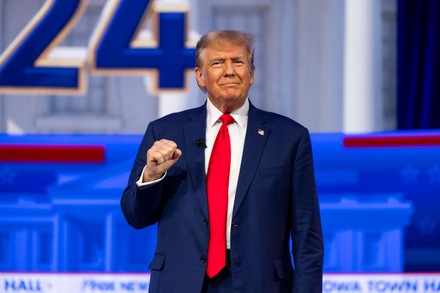
A diplomatic contradiction played out in public on Tuesday, with US President Donald Trump announcing imminent nuclear talks with Iran in Doha, and Tehran flatly denying any such meeting had been requested or arranged.
Trump posted on Truth Social with characteristic confidence: “Iran has requested a meeting. It will take place tomorrow in Doha!” He then attached an unusual qualifier — “perhaps important, perhaps not” — a hedge that did little to clarify whether Washington was signalling genuine diplomatic momentum or managing expectations in advance of a possible collapse. Iran’s foreign ministry responded with a direct contradiction, stating that no meeting had been requested and none was scheduled.
The episode lands against a backdrop of fragile but real diplomatic architecture. In early June, Trump and Iranian President Masoud Pezeshkian signed a 14-point interim Memorandum of Understanding, granting both sides a 60-day window to negotiate a final agreement. That MoU carried substantive commitments: Washington pledged to release Iran’s frozen or restricted financial assets, with the precise procedures to be worked out during the negotiation period. Both sides also agreed to halt tit-for-tat military provocations and to ensure safe passage of shipping through the Strait of Hormuz — a concession with immediate commercial and geopolitical weight, given how much of global energy trade transits that chokepoint.
Axios, citing a US official, reported that the two sides had in fact planned to convene in the Qatari capital, lending some credibility to Trump’s claim even as Tehran pushed back. Qatar and Pakistan have both been serving as mediators in this current round of negotiations, a configuration that reflects the absence of direct diplomatic channels and the continued reliance on trusted third-party states to bridge communication gaps. Secretary of State Marco Rubio had previously suggested that technical-level talks were possible and would likely be held in Switzerland — making Doha, if confirmed, a logistical shift worth noting.
What is clear is that the institutional scaffolding for a deal exists, even if the public messaging from both capitals remains unstable. The 60-day negotiation clock established by the June MoU creates structural pressure on both sides to produce results, regardless of who requested which meeting and when. Diplomatic processes of this complexity rarely move in straight lines, and the gap between Trump’s Truth Social post and Tehran’s denial may reflect less a fundamental breakdown than the performative friction that characterises talks where domestic audiences on both sides require careful management.
The harder question is whether the MoU’s commitments — asset releases, Hormuz guarantees, a ceasefire on proxy provocations — are durable enough to survive the noise. If Doha talks do proceed, in whatever form, the technical agenda will matter far more than the announcement that preceded them.