

Go-Ahead Won Tampines Bus Contract on Quality Score, Not Lowest Price — And Most Routes Have Since Improved

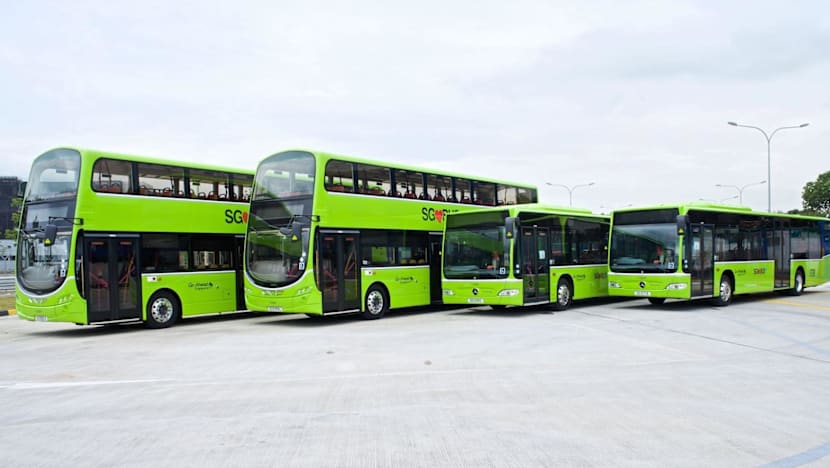
Singapore’s Land Transport Authority awarded the Tampines bus package to Go-Ahead Singapore despite its bid being the highest among the four contenders, with Transport Minister Jeffrey Siow telling Parliament on Tuesday that quality criteria — weighted at 60 per cent — ultimately drove the decision. The outcome raises pointed questions about how public transport procurement balances fiscal discipline against operational capability, particularly as the city-state accelerates its electric bus transition.
A Deliberate Trade-Off Between Price and Capability
Go-Ahead Singapore submitted a bid of S$646 million, against the lowest offer of approximately S$596 million from incumbent operator SBS Transit. Minister Siow, responding to a parliamentary question from Workers’ Party Non-Constituency MP Eileen Chong, confirmed that the quality-to-price weighting for this tender stood at 60:40. Under that framework, Go-Ahead achieved both the highest quality score and the highest overall score. SBS Transit, despite lodging the cheapest bid, ranked second overall once quality assessments were applied. The bids from Tower Transit Singapore and SMRT Buses were priced higher than SBS Transit’s yet scored lower on quality, placing them further down the rankings.
The S$50 million price gap between the winning and lowest bids is not trivial in public infrastructure terms. Ms Chong’s parliamentary question pressed the minister on what quality factors justified that differential — a legitimate line of scrutiny given that commuters bear the downstream consequences of both cost and service decisions.
Electric Bus Deployment as the Decisive Factor
The Tampines package is the first tendered bus contract in Singapore to involve large-scale electric bus deployment, a structural distinction that shaped the entire evaluation. LTA placed greater emphasis on bidders’ capacity to manage electric operations and maintenance at scale — a domain where track record matters considerably more than price.
Mr Siow stated that Go-Ahead Singapore’s proposal was the strongest in this regard, drawing specifically on detailed plans to transfer knowledge and operational experience from its sister company’s electric bus operations in London. That cross-jurisdictional expertise, the minister suggested, gave Go-Ahead a credible and differentiated edge that no incumbent Singapore operator could readily replicate.
The tender was conducted through a two-envelope process: quality submissions were assessed and scored before price envelopes were opened, a sequencing designed to prevent price anchoring from distorting quality judgements.
Teething Troubles, Then Gradual Recovery
Go-Ahead formally took over 27 bus routes in Tampines from SBS Transit in July, and the transition was not smooth. Commuters reported longer waiting times, bus bunching, and less predictable journey times — complaints consistent with the disruption that typically accompanies large-scale operational handovers.
In September, Go-Ahead responded by deploying additional staff on the ground to support bus captains and assist commuters during the transition window.
By end-September 2026, however, the picture had meaningfully shifted. Mr Siow told Parliament that reliability performance for the Tampines package had improved to the point where most services had matched or exceeded the reliability levels recorded under SBS Transit’s tenure. He acknowledged that performance on certain routes remained below par and confirmed that LTA was actively working with Go-Ahead to address those outstanding gaps.
Key Takeaways
The Tampines case will likely inform how LTA structures future bus package tenders as Singapore’s electric fleet expands. The willingness to pay a premium for demonstrable technical capability sets a precedent — one that incumbent operators, none of which matched Go-Ahead’s quality score, will need to reckon with when the next package comes to market.



