
South Korea’s Factory Sector Accelerates as Export Demand Surges to Three-Year High

PMI Climbs to 53.1 in July, Marking Eight Consecutive Months of Expansion
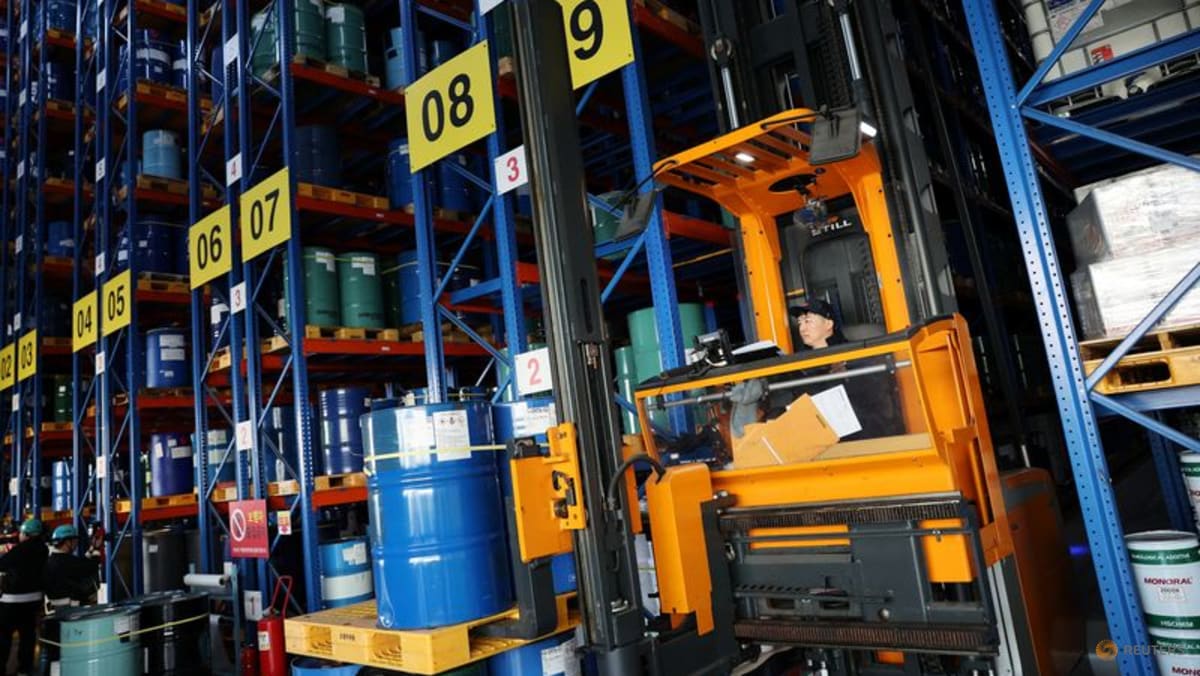
South Korea’s manufacturing sector gathered momentum in July, with the latest purchasing managers’ index data pointing to a broad-based acceleration driven by a sharp upturn in external demand. The S&P Global PMI rose to 53.1 from 52.1 in June, extending a run of expansion to eight consecutive months and signalling that the country’s industrial engine continues to outpace much of the region.
The headline figure remained comfortably above the 50-point threshold that separates expansion from contraction. Both output volumes and new orders expanded at a faster clip than in the prior month, while new export orders recorded their first increase in three months — and did so at the steepest rate since April 2021.
Semiconductors and Automotive Lead the Charge
Usamah Bhatti, economist at S&P Global Market Intelligence, identified the sectors driving the improvement. “Both production volumes and new orders rose again, with particular strength seen in the semiconductor and automotive sectors,” he said. These two industries have long anchored South Korea’s export competitiveness, and their simultaneous acceleration carries material weight for the broader growth outlook.
The semiconductor surge is not incidental. It reflects sustained global demand for advanced chips, a structural tailwind that Seoul has moved deliberately to capture through targeted industrial policy and sustained investment in fabrication capacity. The automotive component adds a second pillar, diversifying the expansion beyond a single technology cycle.
Second-Quarter Growth Exceeded Expectations
The PMI data arrives in the context of a stronger-than-expected macroeconomic performance. Asia’s fourth-largest economy expanded at a pace that beat analyst forecasts in the second quarter, with the semiconductor export boom providing sufficient momentum to offset a contraction in construction investment — a sector facing well-documented structural headwinds.
Separately, factory output figures released the previous Friday showed June production surpassing market forecasts, adding a further layer of confirmation that the manufacturing recovery has real breadth rather than being confined to a single month’s survey data.
What the Numbers Mean for ASEAN and Regional Trade
South Korea’s export acceleration carries implications beyond its own borders. As a major supplier of semiconductors, petrochemicals, and automotive components to Southeast Asian manufacturers, a sustained upturn in Korean export orders tends to flow through supply chains into regional production cycles. For economies in ASEAN that source intermediate goods from Korean industry, the signal is broadly positive.
The durability of this expansion remains the critical question. Export-led growth in a small open economy is inherently exposed to shifts in global demand — particularly from China and the United States, South Korea’s two largest trading partners. Any softening in semiconductor procurement cycles or a renewed tightening of global financial conditions could temper what are, for now, genuinely encouraging numbers.
For the moment, however, the data paints a picture of an economy that has found its footing, with industrial activity broad enough in scope to suggest something more than a temporary spike in a single export category.