SK Hynix’s $38 Billion Bet on AI Memory: What It Means — and Doesn’t Mean — for Consumers

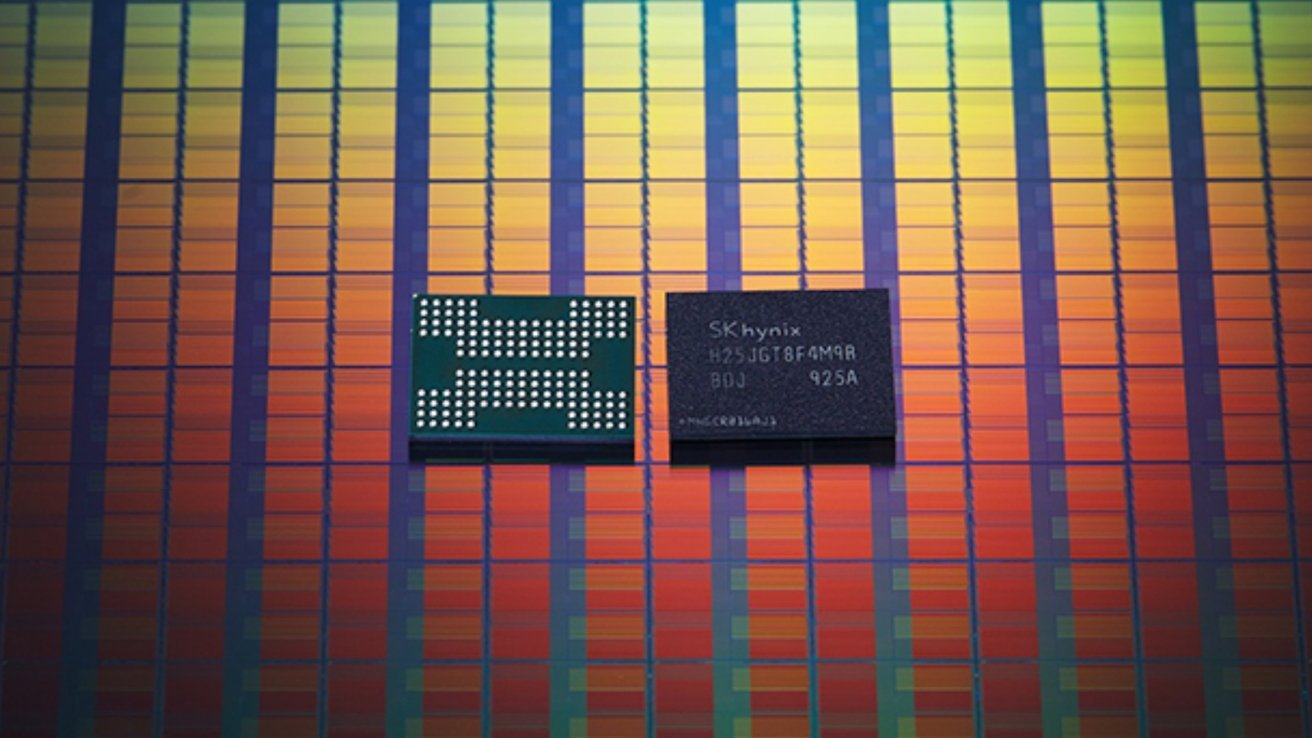
SK Hynix has approved a 54 trillion won ($38.3 billion) investment to construct two new semiconductor fabrication plants in South Korea, betting that demand for AI-grade memory will remain robust through the end of the decade. The scale is significant. The timing, for anyone hoping for relief on memory prices, is not encouraging.
What SK Hynix Is Actually Building
The investment splits across two distinct facilities, each targeting the high-value end of the memory market rather than consumer electronics.
The strategic logic is clear. HBM commands substantially higher margins from AI companies than standard DRAM, and SK Hynix is allocating capital accordingly. Whether that serves the broader technology ecosystem is a separate question.
Memory Prices Are Already at Breaking Point
The consumer-side numbers are stark. DDR5 DRAM prices have nearly sextupled since early 2025: two 16GB sticks of DDR5-6000 RAM cost approximately $100 in February; the same configuration now trades at around $600. That is not a gradual drift — it is a structural dislocation.
Apple has already responded by raising prices across most of its product lineup. Inflation and supply chain pressure tend to push prices up sharply and rapidly. The reversal, when it comes, will move far more slowly — incrementally, in a pattern closer to a sine wave than a correction.
This asymmetric price transmission is a well-documented market dynamic, and it consistently disadvantages end consumers. Relief is possible. It will not arrive quickly, and it will not arrive in full.
Supply Scarcity Is Not the Whole Story
Global demand from AI infrastructure is real, and it has placed genuine strain on memory manufacturers. But supply-side pressure alone does not explain the current pricing environment. Structural market concentration matters too.
Samsung, SK Hynix, and Micron collectively dominate global DRAM supply, giving the three firms outsized influence over both pricing and production allocation. A recent price-fixing lawsuit targets all three, with the complaint centring on allegations that the companies coordinated a deliberate shift of manufacturing capacity toward HBM — where AI clients pay premium prices — while allowing standard DRAM supply to contract.
Companies are legally entitled to pursue higher-margin products. The legal and regulatory question is whether these production decisions were reached independently or through coordination. That distinction matters enormously, and the litigation remains unresolved.
The Immediate Constraint Will Not Move
Whatever the longer-term significance of SK Hynix’s capital commitment, it changes nothing in the present. Suppliers have already sold their entire production capacity of memory at elevated prices through 2027. New fabrication plants opening in late 2028 and 2029 offer no mechanism for near-term market correction.
The investment signals confidence that the AI infrastructure boom has years of runway remaining. For the consumer market, and for the institutional buyers now absorbing DRAM costs that were unthinkable eighteen months ago, the structural relief this spending eventually enables remains firmly on the horizon — not on the shelf.