

Indian Government Clarifies Passport Is Not Proof of Citizenship, Citing 1967 Law

Indian Government Clarifies Passport Is Not Proof of Citizenship, Citing 1967 Law
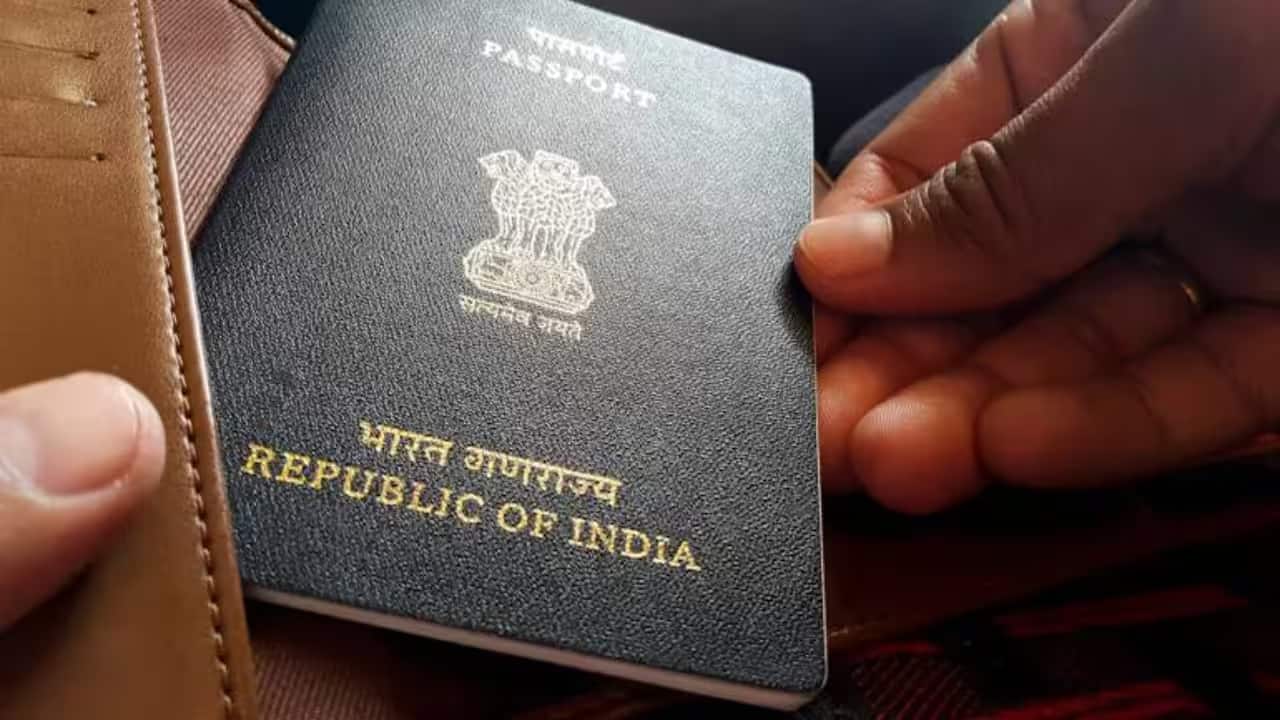
India’s central government clarified on Thursday that an Indian passport has never constituted definitive proof of citizenship, asserting the position reflects decades of settled law — not a recent policy shift. The statement came after remarks by the Ministry of External Affairs (MEA) at a media briefing on 24 June 2026 ignited a political controversy over what documents can establish Indian citizenship.
What the Government Said
The government maintained that the MEA had merely reiterated existing legal provisions and judicially recognised principles, rather than announcing a new rule. It pointed to the Passports Act, 1967, which explicitly permits passports to be issued, in certain circumstances, to non-citizens.
That statutory provision, the government argued, means possession of a passport cannot logically be treated as conclusive proof of citizenship by definition.
The 2013 Bombay High Court Precedent
The government also cited a 2013 Bombay High Court ruling to reinforce its position. In that case, the court refused relief to four individuals accused of being illegal immigrants from Bangladesh, even though they produced passports, Aadhaar cards, and birth certificates to support their citizenship claims.
The court held that documents such as a birth certificate, passport, or Aadhaar card may not, by themselves, be sufficient to establish Indian citizenship for individuals born after 1 July 1987. The ruling established that no single document is conclusive on the question of citizenship.
The Political Row
The controversy was sparked by Rajya Sabha MP Kapil Sibal, who raised pointed concerns about the implications of the MEA’s original statement. In a post on X, Sibal warned of practical consequences for ordinary citizens:
“MEA June 24, 2026: A passport is a travel document, and not a document of citizenship. Which document then is proof of citizenship? BLO can doubt my citizenship. Deprive me of my vote. Result BJP wins the election. Over to Supreme Court.”
Sibal’s remarks reflect a broader anxiety: if widely held documents carry no definitive legal weight, the door may open for Booth Level Officers (BLOs) to challenge voter eligibility, with potential electoral consequences.
BJP’s Response
BJP leader Amit Malviya pushed back against the Opposition’s framing, insisting the MEA had made no new policy announcement. Writing on X, Malviya stated: “Under the Passports Act, 1967, the Central Government has the power in specified circumstances to issue a passport or travel document even to a non-citizen. The law itself therefore recognises that possession of a passport cannot, by definition, be treated as conclusive proof of citizenship.”
Why It Matters
The clarification raises an unresolved question that the government has not directly answered: if a passport, Aadhaar card, and birth certificate are each individually insufficient, what combination of documents does establish citizenship conclusively?
That ambiguity carries real stakes in a country where citizenship verification intersects with voter rolls, detention proceedings, and the ongoing implementation of immigration enforcement frameworks. The Opposition has signalled it intends to press the matter further, potentially before the Supreme Court.