
Japan’s Takaichi Calls China ‘Important Neighbour’, Vows Stable Ties While Confronting Fiscal Pressures

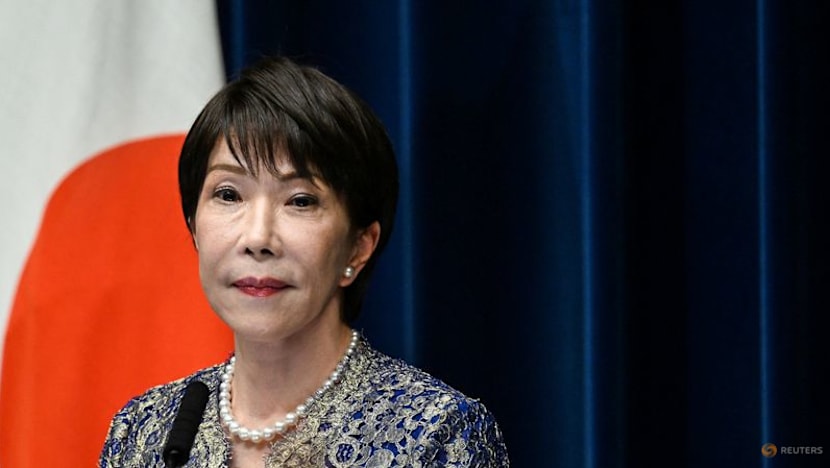
Japanese Prime Minister Sanae Takaichi formally described China as an “important neighbour” in a policy address to parliament on Monday, pledging to construct a constructive and stable bilateral relationship even as diplomatic tensions between Tokyo and Beijing remain severely strained following her own remarks about Taiwan late last year.
The address, delivered to an extraordinary parliamentary session convening through December, came after China’s top diplomat signalled last week that ties with Japan were “waiting to be normalised again,” a formulation that suggested Beijing’s cautious appetite for de-escalation without concession. Takaichi’s speech appears calibrated to meet that opening without abandoning Japan’s stated positions on sovereignty and national interest.
“China is an important neighbour, and despite difficulties, we have built up a long-standing relationship over the years,” Takaichi told parliament, adding that her government would “work to ensure communication on shared challenges, promote dialogue to safeguard our national interests, and build a constructive and stable relationship.” She nonetheless reserved the right to “firmly assert our country’s positions” and “strongly call for responsible behaviour” — language that preserves Tokyo’s diplomatic leverage even as it extends an olive branch.
Relations between Asia’s two largest economies deteriorated sharply after Takaichi suggested in November that Tokyo might intervene militarily in any attack on Taiwan, a self-governing island that Beijing claims as its own territory. China subsequently warned its citizens against travel to Japan and imposed trade restrictions that have reportedly caused significant disruptions to Japanese firms’ access to rare earth minerals, inputs critical to electronics and defence manufacturing.
Beyond the diplomatic dimension, Takaichi’s address confronted two domestic pressures that have grown increasingly difficult to defer. On population decline, which she described as a “quietly advancing national crisis,” the premier pledged to formulate a comprehensive national strategy before year’s end. Government data released in July confirmed that the number of Japanese residents had fallen below 120 million for the first time in 42 years, a threshold that carries both symbolic and structural weight for an economy already grappling with labour shortages and pension sustainability.
On public finances, the premier sought to reassure investors rattled by Japan’s deteriorating fiscal position. She pledged to “control” bond issuance and respond swiftly to market turbulence, even as her government simultaneously plans large-scale spending to stimulate growth. The 30-year Japanese government bond yield struck a record high of 4.235 per cent on Monday, driven by concerns over debt issuance volumes and inflation pressures linked partly to the ongoing Middle East conflict.
Japan’s public debt stands at roughly twice the size of its economy, the largest such ratio in the developed world. The Bank of Japan’s gradual withdrawal from its decades-long ultra-loose monetary policy — through interest rate increases and reduced bond purchases — has begun to lift the cost of servicing that debt, placing the government’s ambitious spending programme under growing financial scrutiny.
Takaichi said the government would draw in private investment through “massive, long-term fiscal expenditure deployed in a well-planned, predictable manner,” while simultaneously reviewing existing tax breaks and subsidies to pursue fiscal sustainability. She offered to calibrate annual borrowing against tax revenues, interest rates and market conditions, and noted that if “the economy and markets make unexpected moves, we will scrutinise their impact and respond nimbly as needed” — a formulation notable for its deliberate vagueness.
The parliamentary session will also deliberate on a proposal to cut the consumption tax on food for two years, a measure aimed at cushioning voters from inflation’s erosion of purchasing power. In a further signal of Japan’s internationalist positioning, Takaichi pledged support for the International Criminal Court after the United States imposed sanctions in August on the tribunal’s Japanese president, Tomoko Akane — a move that placed Tokyo in the uncomfortable position of defending a multilateral institution against its most important security ally.
Despite the accumulation of pressures, Takaichi enters this parliamentary session with unusually high approval ratings for a prime minister one year into office, a political cushion that may afford her more room to manoeuvre on both the diplomatic and fiscal fronts than her predecessors typically enjoyed.