

IBM India Chief Calls for Mass AI Skilling and Stronger IP Protections to Secure India’s Global Edge

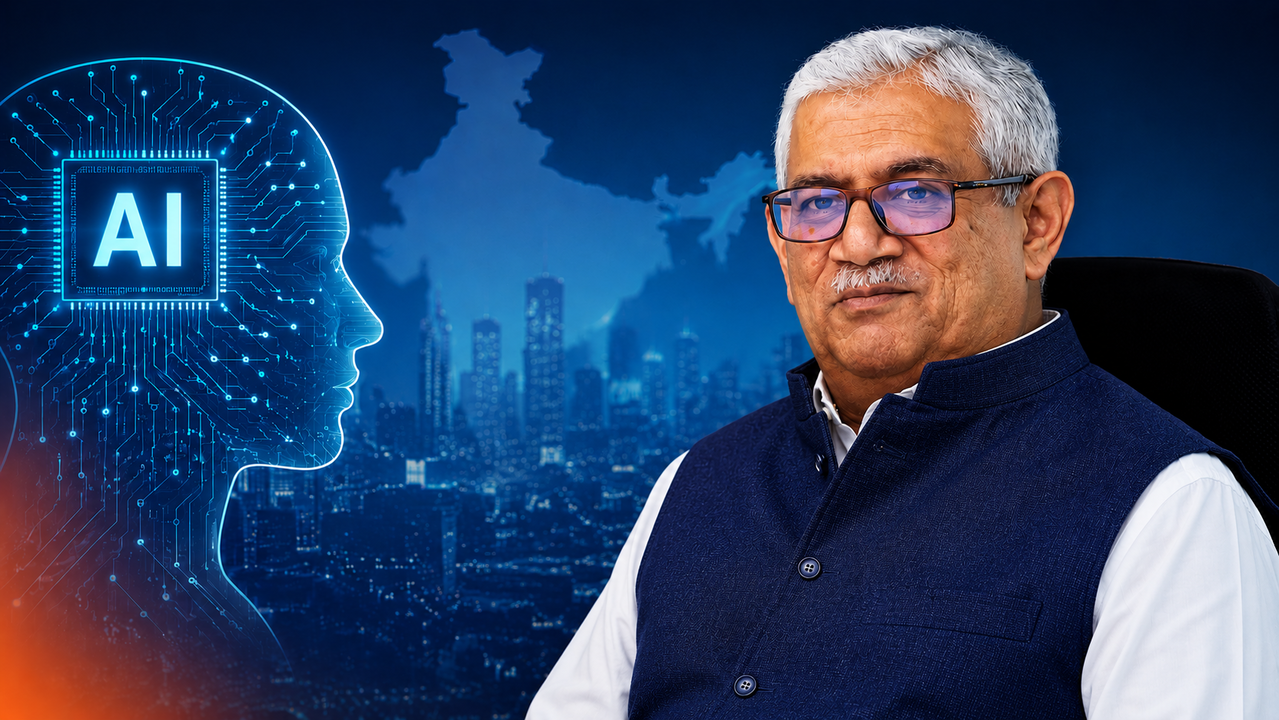
IBM India Chief Delivers AI Imperative
Sandip Patel, Managing Director of IBM India, has issued a pointed call to action: India’s ambition to lead globally in artificial intelligence will hinge not on technology investment alone, but on the speed at which the country can train its workforce, reform IP regulations, and build an environment where innovation is commercially protected.
Speaking to Reuters, Patel framed the challenge as both urgent and structural — a test of whether India can convert demographic scale into technological dominance before the window narrows.
The Demographic Dividend Argument
India’s core advantage, according to Patel, is its population profile. With more than half of its 1.4 billion people under the age of 30, the country holds an unusually large pool of workers who could be trained for AI-era roles.
“That demographic dividend, that’s sitting here — unleashing that is a phenomenal opportunity,” Patel told Reuters.
He envisions a workforce of approximately 350 million people equipped with AI skills — a figure that would reshape not only India’s domestic economy but also the global supply of AI-capable labour.
Services Sector Faces Structural Pressure
The urgency of Patel’s message is sharpened by the disruption already underway in India’s technology services and outsourcing sector — historically one of the country’s most significant economic engines.
AI tools are increasingly capable of automating complex tasks including coding, software testing, and data processing, functions that have long formed the backbone of India’s IT export model. The question is no longer whether disruption will occur, but how quickly institutions can respond.
Industry consensus holds that AI will simultaneously displace certain roles and generate new ones in advanced technology sectors, though the net outcome and timeline remain contested.
Intellectual Property Protections: A Critical Gap
Beyond skilling, Patel identified weak intellectual property frameworks as a structural barrier to India becoming an AI innovator rather than remaining a service provider to the world’s innovators.
He argued that companies — domestic and foreign — require confidence that innovations developed on Indian soil will be legally protected and commercially viable in international markets. Without that assurance, research investment and product development will continue to flow elsewhere.
Stronger IP safeguards, Patel contended, would create the conditions for a more self-sustaining innovation ecosystem: more research, more capital formation, and more high-value product development within India’s borders.
The Policy Window Is Narrow
Patel’s remarks reflect a broader anxiety among technology leaders that India’s structural advantages — its young population, its engineering graduate pipeline, its established IT infrastructure — are not self-executing.
Converting them into AI leadership requires deliberate policy choices: large-scale training programmes, regulatory frameworks that encourage rather than inhibit adoption, and legal protections that make India a credible destination for AI research and development.
As competing economies accelerate their own AI strategies, the margin for delayed action is shrinking.