

Maharashtra to Roll Out Biometric Attendance in Junior Colleges, Targeting Absenteeism and Coaching Class Culture

Maharashtra Plans Biometric Attendance Rollout in Junior Colleges
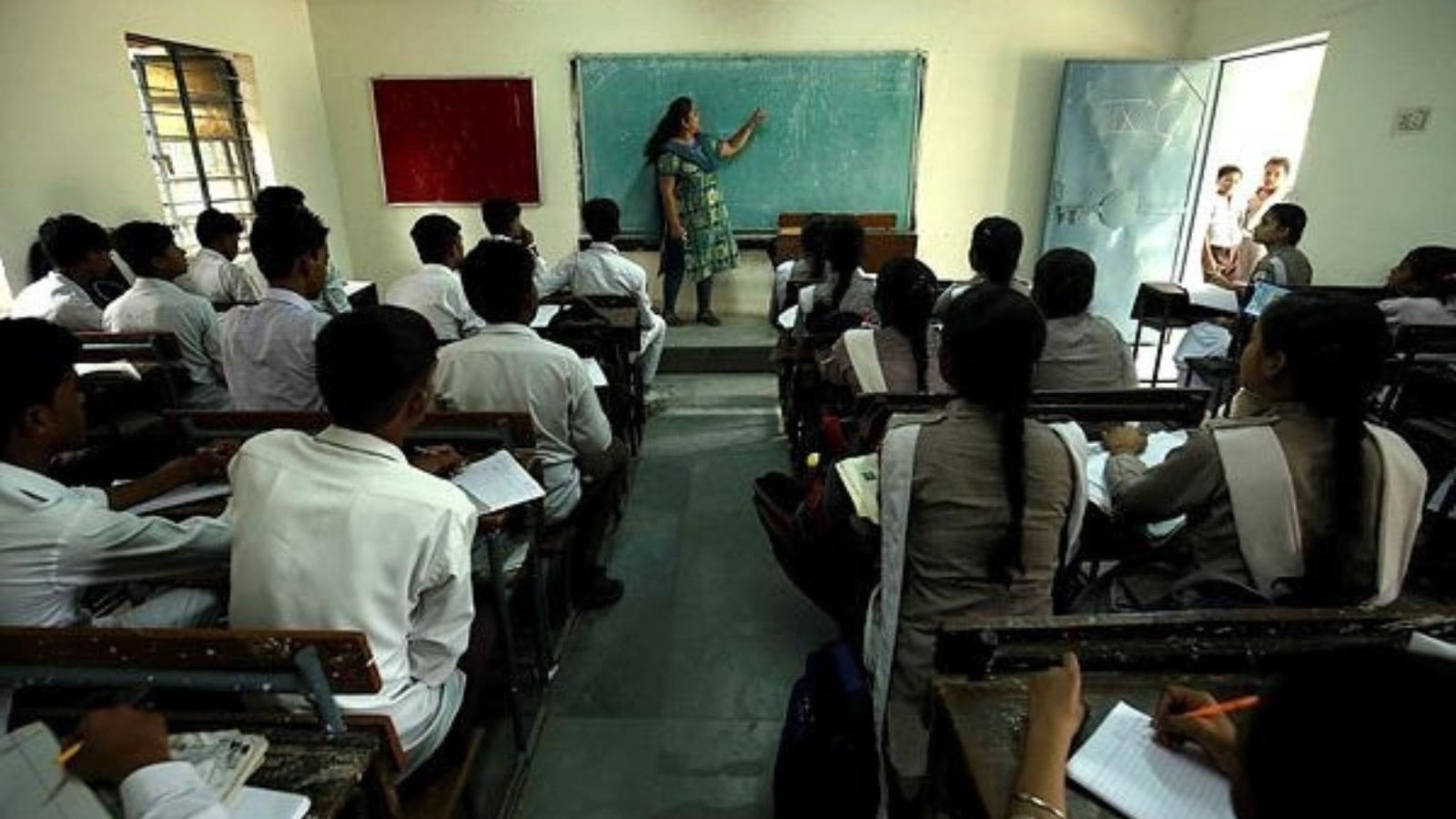
The Maharashtra state government is moving to install biometric attendance systems across junior colleges statewide, targeting a deeply entrenched culture of absenteeism driven by students skipping lectures in favour of private coaching classes. The proposal, if implemented, would affect all aided, unaided, and self-financed junior colleges under the state’s jurisdiction.
The Problem: Colleges Enabling Absenteeism
At the heart of the initiative is an open arrangement that has long undermined formal instruction. Junior colleges in Tier 1 and Tier 2 cities — including Mumbai, Pune, Kolhapur, Ahilyanagar, Chhatrapati Sambhajinagar, and Latur — have established informal tie-ups with private coaching centres, allowing students to remain absent from regular lectures while still receiving attendance credit for practicals.
The result is a system where colleges function as little more than administrative conduits for board examination eligibility, with actual instruction outsourced to fee-charging private operators. College principals and education department officials have flagged the arrangement as a persistent driver of academic disengagement.
What the System Will Do
The proposed biometric system would integrate with existing student information portals, providing real-time attendance data to both college authorities and parents. Officials say the data would also help identify students at risk of falling behind or dropping out.
A 75% attendance threshold would be enforced as a condition for eligibility to sit the Maharashtra State Board (MSBSHSE) examination — a requirement that currently exists on paper but is widely circumvented through the coaching class arrangements.
Pilot Cities and Scope
The system is set to launch on a pilot basis in five cities: Mumbai, Pune, Nagpur, Nashik, and Aurangabad. The resolution covers the full spectrum of junior college types, and institutions are expected to act promptly once administrative approvals are finalised.
Discussions are reportedly ongoing with technology providers to evaluate the feasibility and cost of deploying the system across hundreds of colleges. Specific details on the timeline, technology specifications, and budget allocation are expected in the coming weeks.
Data Privacy and Implementation Concerns
The government has stated that adequate data protection measures will be put in place to safeguard biometric information collected from students, in compliance with relevant regulations. However, the proposal has not been without pushback.
Student groups have raised concerns about potential technical failures and the additional pressure the system could place on an already examination-focused student population. Educators and administrators, by contrast, have broadly welcomed the move as a structural corrective to longstanding accountability gaps.
Broader Context
The biometric initiative is one of several measures the MSBSHSE is exploring to strengthen student engagement and educational quality. Whether it succeeds will depend significantly on implementation rigour — and on whether the state is prepared to act against the college-coaching nexus that has made the attendance problem systemic in the first place.