
Central Bank Accused of Acting as ‘Vigilante’ Against Its Own Government Over Rising Bond Yields

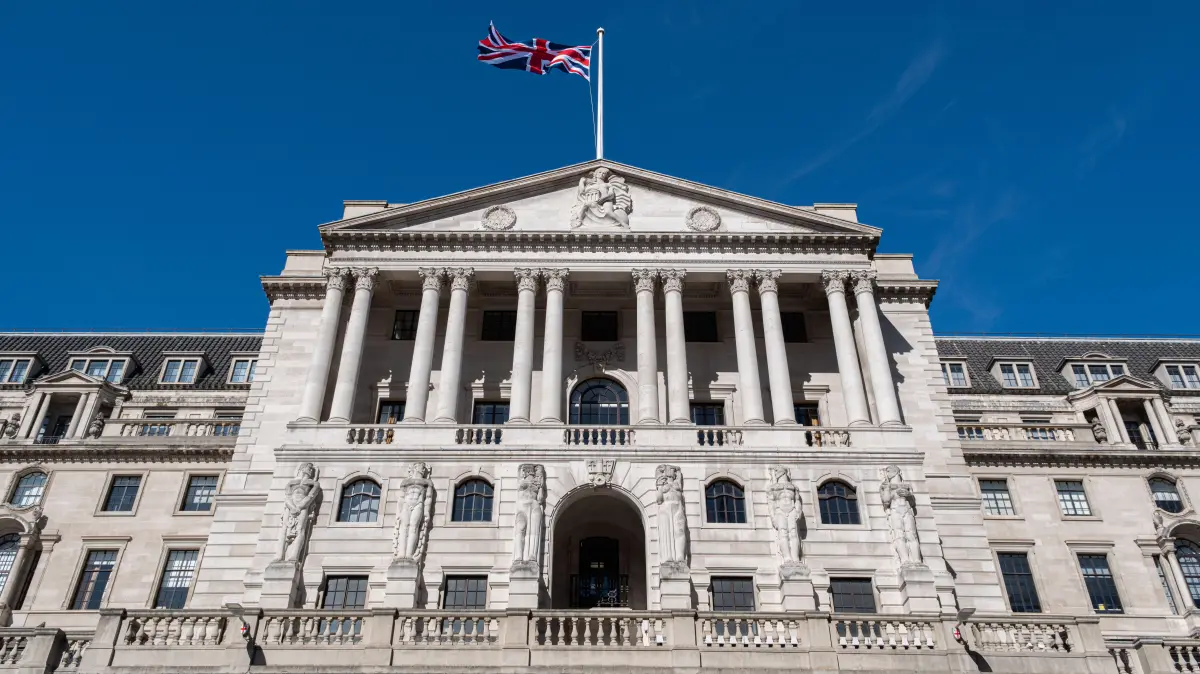
Central Bank Faces Pressure to Halt Bond Sales Amid Surging Borrowing Costs
A central bank is facing mounting pressure to suspend its bond-selling programme after critics accused the institution of acting as a “vigilante” — deliberately driving up its own government’s borrowing costs through aggressive debt issuance.
The Core Accusation
The institution stands accused of punishing its own government with higher interest rates by continuing to sell bonds into a market already strained by elevated borrowing costs. Critics argue the policy is working against fiscal stability rather than supporting it.
Bond sales by a central bank typically reduce prices and push yields higher, increasing the cost at which governments must service existing and future debt. When a central bank pursues such a strategy during a period of already-rising rates, the compounding effect on public finances can be significant.
Context and Stakes
The pressure signals a deepening tension between monetary policy independence and fiscal sustainability — a fault line that has periodically destabilised markets from the United Kingdom to Japan. Central banks that sell bonds as part of quantitative tightening programmes have faced similar criticism when sovereign borrowing costs climb sharply.
The standoff raises fundamental questions about institutional mandates: whether a central bank’s duty to control inflation can — or should — be pursued at direct cost to government finances and, by extension, public services and debt sustainability.
What Happens Next
No formal decision on suspending bond sales has been announced. The outcome is likely to hinge on whether policymakers view the rise in borrowing costs as a temporary market condition or a structural threat requiring an immediate policy adjustment.