

UAE’s Potential OPEC+ Exit Signals Structural Cracks in the Oil Alliance, Analyst Warns

UAE’s Potential OPEC+ Exit Signals Structural Cracks in the Oil Alliance, Analyst Warns
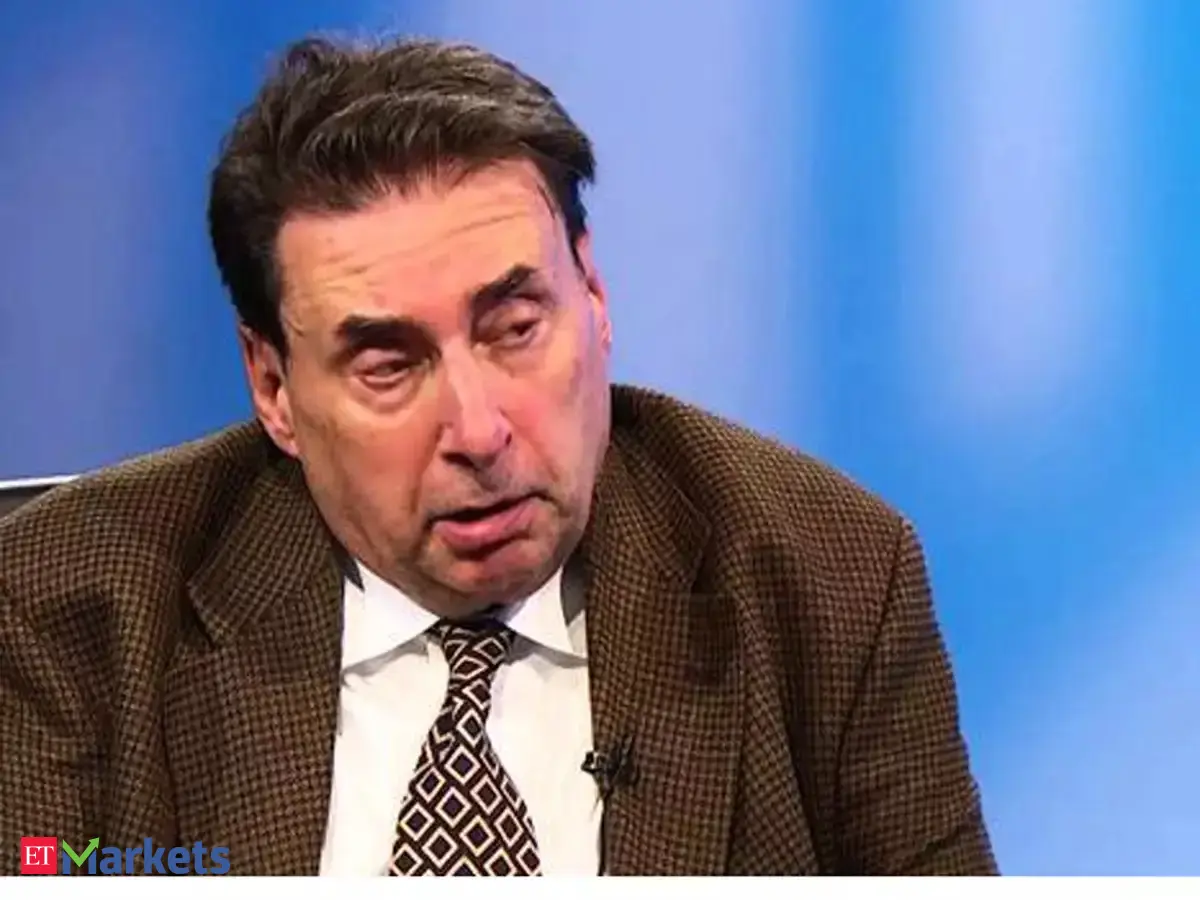
The United Arab Emirates’ possible departure from the OPEC+ alliance could mark the beginning of a deeper fracture within the producer group, with long-term consequences for global oil prices, according to Peter Cardillo, chief market economist at Spartan Capital Securities.
A “First Sign of a Crack”
Cardillo described the development as a potentially significant turning point for OPEC+, a coalition that has long coordinated production cuts to stabilise global oil prices. Speaking to ET Now, he did not mince words about the implications.
“This raises the question whether or not OPEC+ is going to be around for much longer,” Cardillo said. “It is the first signs of a crack.”
The UAE is no peripheral player. Producing between 2.9 million and 3 million barrels per day, it ranks among the world’s ten largest oil-producing nations. Its alignment — or lack thereof — carries measurable weight in global supply calculations.
Near-Term Impact Limited by Geopolitical Noise
Cardillo acknowledged that the immediate price impact remains muted, largely because ongoing geopolitical conflict is dominating market sentiment. Wartime supply disruptions are, for now, absorbing the signal.
But he warned that the calculus changes sharply once hostilities ease. “Once the war is over — and the war will come to an end at one point or another — this just means more production, more oil on the world markets, and probably prices collapsing in a big way,” he said.
Price Floor Holds — But for How Long?
When pressed on whether OPEC+’s ability to defend a price floor is already weakening, Cardillo was measured but pointed. He does not see an immediate breakdown in the group’s pricing power, but raised a question that traders and energy analysts will find difficult to ignore.
“Not in the short term,” he said. “But this also raises a question: who is next?”
The Longer Game: Fragmentation Risk
The deeper concern is structural. OPEC+ has operated as a managed cartel, using coordinated production policy to prevent the kind of oversupply that sent prices crashing in 2014 and again in 2020. A defection by a top-ten producer introduces a defection incentive for others.
If additional members reconsider their participation — whether for fiscal reasons, bilateral trade pressures, or strategic realignment — the alliance’s collective leverage over global pricing could erode progressively. The result would likely be a shift toward more market-driven, volatile pricing structures, disadvantaging producers dependent on higher price floors to balance their national budgets.
For now, oil markets remain anchored to near-term supply-demand signals. The longer-term question of OPEC+ cohesion, however, is no longer purely theoretical.