

South Korean Court Cuts SK Group Chairman’s Divorce Payment to US$644 Million After Supreme Court Review

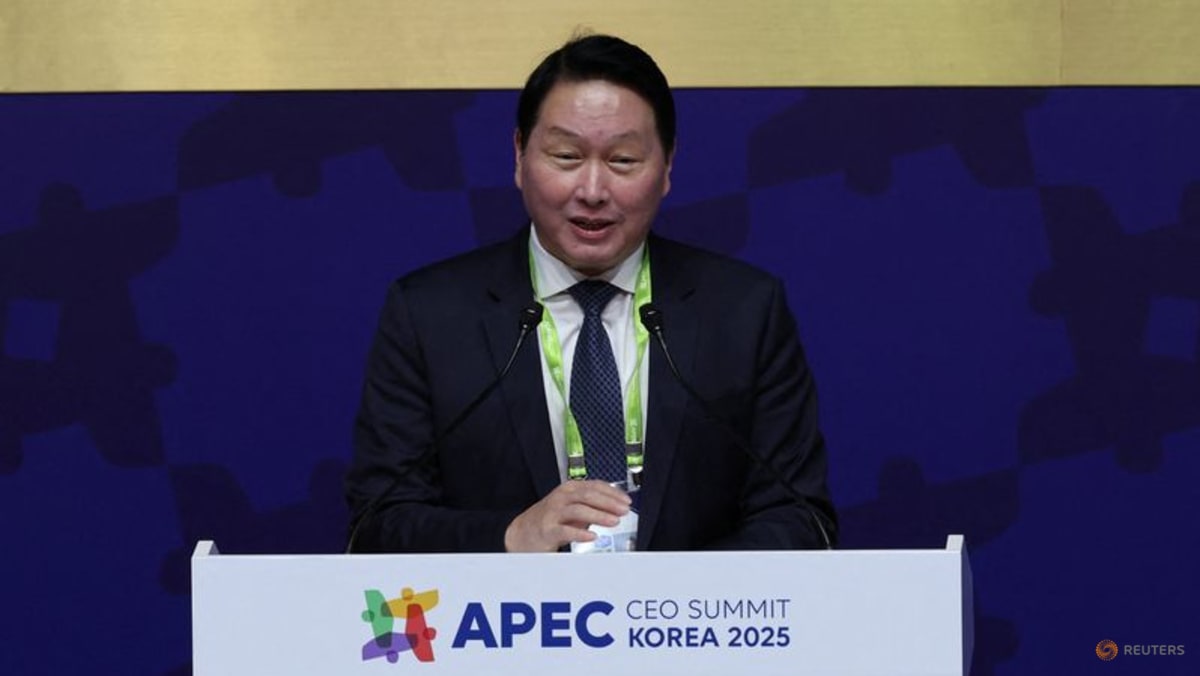
A South Korean appeals court ordered SK Group chairman Chey Tae-won on Friday to pay 944 billion won (US$644 million) to his former wife Roh Soh-yeong, reducing a landmark divorce settlement that had previously been valued at close to US$1 billion and widely labelled South Korea’s “divorce of the century.”
Chey, 65, chairs the SK Group conglomerate, whose subsidiary SK hynix ranks among the world’s leading memory chipmakers and supplies vital chips to AI computing giant Nvidia. His stake in the group is currently valued at approximately US$5.5 billion, according to regulatory filings and public data.
Seoul High Court had originally ruled in 2024 that Chey must pay 1.38 trillion won — worth more than US$1 billion at the prevailing exchange rate — to Roh, the 65-year-old daughter of former South Korean president Roh Tae-woo. Chey appealed to the Supreme Court, which instructed the high court to reconsider its decision, resulting in Friday’s trimmed figure.
The revised ruling is not yet final. Either party retains the right to refer the case back to the Supreme Court, leaving the settlement’s legal status unresolved for now.
Seoul High Court determined on Friday that Roh was entitled to one-third of the couple’s marital assets. “The defendant’s shareholdings increased substantially during the marriage through his management activities,” the court stated, adding that Roh “contributed to that increase through homemaking, childcare and public-facing activities related to SK Group.”
The case has hinged on two contested questions: how to define and value the couple’s shared assets, and whether the steep appreciation of SK Group’s shares since their separation should factor into the division. SK Group shares have more than tripled in value since December 2015, when Chey publicly disclosed an extramarital affair and acknowledged fathering a child with his lover.
A central dispute in the earlier ruling involved a 30 billion won slush fund attributed to Roh’s late father, which the 2024 high court had counted as her contribution to the couple’s shared wealth. The Supreme Court quashed that reasoning in October, ruling that the funds likely derived from illegal bribes and could not legitimately be included in the asset calculation — a determination that directly contributed to the reduction of Chey’s payment.
The acrimonious legal battle has unfolded across several years and multiple courts, touching on questions that extend well beyond personal wealth.
One of Chey’s lawyers told reporters that the chairman “deeply regrets the concern caused” by the case but has not yet decided whether to mount a further appeal. Roh’s legal team declined to comment.
Roh has built an independent career in the cultural sector and currently runs a digital art museum. She has three children with Chey.