

Ronald Koeman Resigns After Netherlands’ Earliest-Ever World Cup Exit: What Went Wrong?

What happened, exactly?
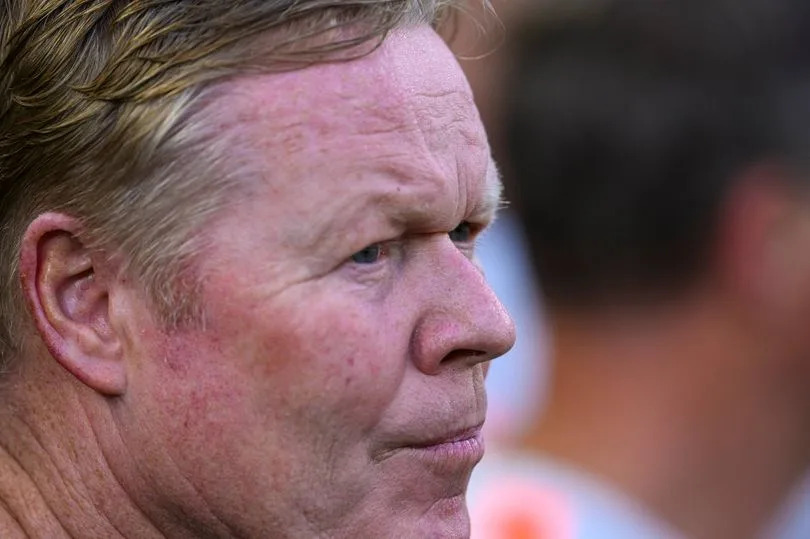
Ronald Koeman resigned as head coach of the Netherlands national team on the morning after their elimination from the 2026 FIFA World Cup by Morocco in the Round of 32. The defeat came via penalty shootout. Crysencio Summerville had his spot-kick saved by goalkeeper Yassine Bounou, and Ismael Saibari converted the decisive penalty to send Morocco through to the Round of 16 against co-hosts Canada.
The result was historic — in the worst sense. The Dutch had never previously failed to advance beyond the Round of 16 at a World Cup. This was their earliest exit from the tournament in recorded history.
Koeman announced his decision through a statement on Instagram. His words were measured, direct, and carried a finality that suggested more than just a tactical rethink. He wrote: “Last night I took the decision to end my stint as head coach of the Dutch national team. We all shared the dream of making history at this World Cup, but we fell short. No one is more disappointed by that than I am. As head coach, the responsibility ultimately rests with me.”
Why did the match against Morocco go so badly?
Koeman deployed five defenders — a formation so cautious that it reportedly caught even Morocco’s own coaching staff off guard. Opposing coach Mohamed Ouahbi did not expect it. The Netherlands, historically associated with attacking, fluid football, looked unrecognisable.
The tactical choice drew immediate condemnation. Zlatan Ibrahimovic was characteristically blunt: “This loss is on Koeman because I didn’t recognize this Dutch team. He lost with an identity that is not the Dutch identity.” That critique cuts deeper than a post-match hot take. It frames the loss as a philosophical failure, not merely a tactical one.
Koeman defended his approach at the post-match press conference. The scrutiny did not relent. By the following morning, he was gone.
What was Koeman’s broader record with the Oranje?
His tenure was not without genuine achievement. Context matters here:
The Morocco defeat erased much of that goodwill overnight. Tournament football is unforgiving in exactly this way.
As a player, Koeman was a cornerstone of the Netherlands side that won the European Championship in 1988 and reached the World Cup quarter-finals in 1994. His coaching career spanned Ajax, Benfica, PSV Eindhoven, Southampton, Everton, and Barcelona before his two stints leading the national team. The pedigree was never in question. The final chapter, however, will be remembered for the wrong reasons.
Is there more to this resignation than football?
Possibly. Koeman’s statement hinted at a deeper personal reckoning. He added: “Moreover, the past few years have made me realize once again that there are more important things than football. When someone you love dearly is fighting a tough battle, your perspective changes.”
He did not elaborate. Reports suggest he may be considering retirement from coaching altogether. That framing — football placed consciously below something else — is not the language of a man planning an immediate return to the dugout.
What happens off the pitch now?
The fallout from the Morocco defeat extended beyond the tactical and the managerial. Players who missed penalties in the shootout — among them Justin Kluivert and Quinten Timber — were subjected to racist abuse on social media. The Dutch football association, the KNVB, condemned the abuse. That condemnation is necessary. It is also, on its own, insufficient.
The KNVB now faces a more structural task: identifying a new head coach capable of rebuilding the squad’s identity ahead of the 2028 European Championship qualifying campaign. That search begins with the Netherlands processing not just a loss, but a disorientation — a team that abandoned the attacking philosophy that defines its footballing culture and paid the full price for it.
The Koeman era is over. What it leaves behind is a question the KNVB cannot defer: what, precisely, does Dutch football want to be?