

Arrests of YouTuber and Journalist in Andhra Pradesh Expose Deepening Pressure on Political Commentary

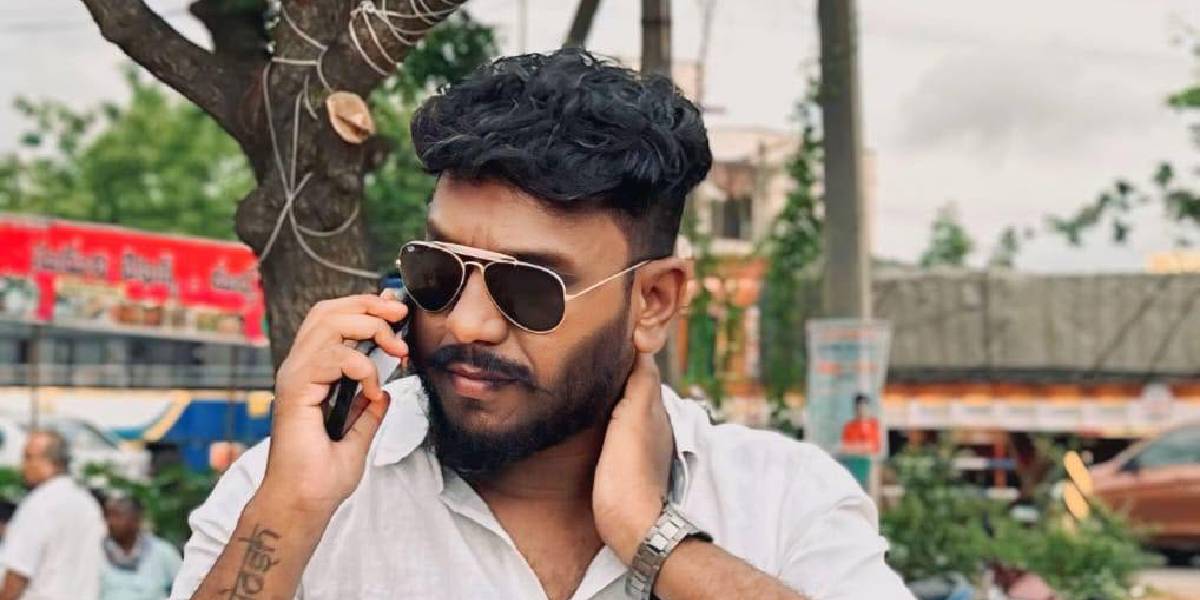
The arrests of YouTuber Bachalakuri Joseph — known publicly as Prashna Ravan — and journalist K.V. Reddy in Andhra Pradesh represent more than isolated law enforcement actions; they illustrate a pattern in which the machinery of criminal procedure is deployed against those who interrogate government policy rather than against those who threaten public order. The Communist Party of India has condemned both arrests, and its critique, whatever one makes of the party’s own political positioning, raises questions that democratic institutions in any jurisdiction should take seriously.
Prashna Ravan was arrested by the Sarpavaram police in Kakinada district, released on bail, and then immediately taken into custody again under a separate case — a sequence that CPI State secretary G. Eswaraiah characterised as deliberate harassment through successive criminal proceedings. The compounding of cases against a single individual is a well-documented instrument of institutional pressure: bail becomes functionally meaningless when a second arrest follows the first within hours, and the cumulative legal burden effectively silences the subject without requiring a conviction. Eswaraiah further alleged that Jana Sena Party workers physically attacked Prashna Ravan while he was brought to hospital for a medical examination, a charge that, if substantiated, would mark an alarming escalation from legal to extrajudicial coercion.
The case of K.V. Reddy is arguably more consequential as a precedent. According to the CPI, Reddy was arrested solely for presenting a political analysis concerning IT Minister N. Lokesh on his digital platform. Political commentary on serving ministers — however pointed, however inconvenient — sits at the core of what press freedom is designed to protect. The criminalisation of such commentary, through sedition-adjacent statutes or public order provisions, is a technique familiar across the region: it does not require the state to win in court, only to impose sufficient cost and uncertainty on the commentator that self-censorship becomes rational. Eswaraiah described the police action as unlawful, and the broader coalition government as one that is actively undermining democratic values through the repeated targeting of journalists, YouTubers, and political commentators.
The CPI has demanded that the government cease filing what it terms false or illegal cases against critics, and has called on civil society organisations and democratic groups to resist what it frames as a coordinated effort to suppress dissent. That call may or may not generate meaningful institutional response, but the underlying structural concern stands independent of partisan framing: when criminal law functions as a tool for managing political inconvenience rather than addressing genuine harm, the boundary between governance and authoritarian impulse begins to erode in ways that are difficult to reverse. The implications extend beyond the individuals arrested — they reach every journalist, analyst, or commentator calculating whether the next critical piece is worth the risk.