

SIA Q3 profit slides 69% as one-off Vistara gain drops out

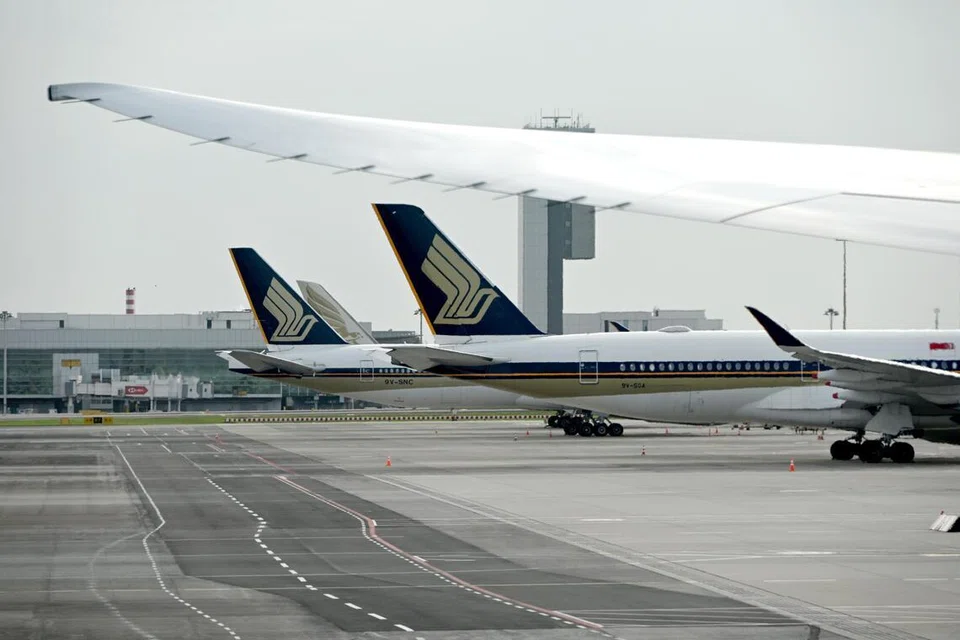
SINGAPORE — Singapore Airlines (SIA) reported a 68.9% fall in net profit for the third quarter ended Dec 31, after a one-off accounting gain linked to Vistara did not recur. The carrier still posted record quarterly revenue, supported by strong passenger demand and firmer yields.
SIA announced the results in a Singapore Exchange filing on Feb 24.
SIA Q3 profit falls, but the main hit was accounting
SIA’s net profit dropped by S$1.1 billion to S$505 million for the quarter, after non-operating items. The key driver was the absence of a one-off, non-cash accounting gain of about S$1.1 billion that it recorded a year earlier.
That gain followed the disposal of Vistara after the Air India–Vistara merger in November 2024. SIA treated it as an accounting uplift rather than cash income.
Record revenue as passengers and yields climb
Despite the weaker headline profit, SIA said stronger yields and solid demand lifted quarterly revenue to a record S$5.5 billion, up 5.5% year on year.
SIA and Scoot carried 10.9 million passengers, a 6.3% rise from the same period a year earlier. Passenger yields rose 1.9% to 10.9 Singapore cents per revenue passenger-kilometre. Passenger yield measures the revenue earned per passenger for each kilometre flown.
SIA also reported operating profit of S$792 million, up 25.9% from a year earlier.
Cargo softens as yield pressure returns
Cargo remained the weaker part of the quarter. Cargo revenue fell 5.4% to S$581 million, driven by lower yields.
SIA said the cargo outlook stays uncertain amid shifting trade and geopolitical conditions. It added that it will adjust using its network and cargo business lines as conditions change.
Air India losses weigh more after a full quarter
SIA’s share of losses from associated companies increased by S$163 million to S$178 million. The group said it recognised a full-quarter share of Air India’s losses this financial year, compared with only one month a year earlier.
SIA said it remains committed to Air India’s transformation with its partner, Tata Sons. It added that Air India continues to expand its network, improve customer experience and lift operational reliability.
Deeper SIA–Air India cooperation targets India connectivity
SIA said it has signed a commercial cooperation framework with Air India. The move sets the stage for definitive joint business agreements, subject to regulatory approvals.
SIA said the partnership aims to improve connectivity between Singapore and India through coordinated schedules. The airlines also plan broader cooperation beyond the two markets, with greater cross-participation in corporate travel programmes. SIA added that KrisFlyer and Maharaja Club members should see enhanced benefits under the plans.
Capacity growth, new routes and a Riyadh launch
SIA said demand for air travel remains healthy heading into the last quarter of its 2025/2026 financial year, supported by seasonal travel. It said it will stay “nimble and agile” in capacity deployment to maximise revenue opportunities.
As at Dec 31, the group operated 212 passenger and freighter aircraft, with an average age of seven years and eight months. SIA operated 144 passenger aircraft and seven freighters, while Scoot operated 61 passenger aircraft. The group has 58 aircraft on order.
SIA’s passenger network covered 134 destinations in 37 countries and territories. Scoot expanded services between October and December 2025, including new flights to Danang, and new non-stop services to Kota Bharu, Nha Trang, Okinawa, Labuan Bajo and Semarang. Between January and March 2026, Scoot plans to add flights to Palembang and Medan.
From June 2026, SIA will start four-times weekly non-stop flights to Riyadh, adding a second destination in Saudi Arabia for the group.
Cabin refresh and new connectivity plan in 2026
SIA said it will unveil next-generation long-haul cabin products in 2026. It also plans an all-new KrisWorld in-flight entertainment system, updated food and beverage options, and new amenity kits.
In addition, SIA intends to introduce high-speed Low Earth Orbit satellite connectivity across its long-haul fleet. Low Earth Orbit satellites fly closer to Earth than traditional geostationary satellites, which can help reduce signal delay for onboard Wi-Fi.
SIA said it enters the next quarter with healthy travel demand, while it keeps a close watch on cargo headwinds and broader global developments.