

Merz calls for stronger Europe and a reset with the US at Munich Security Conference

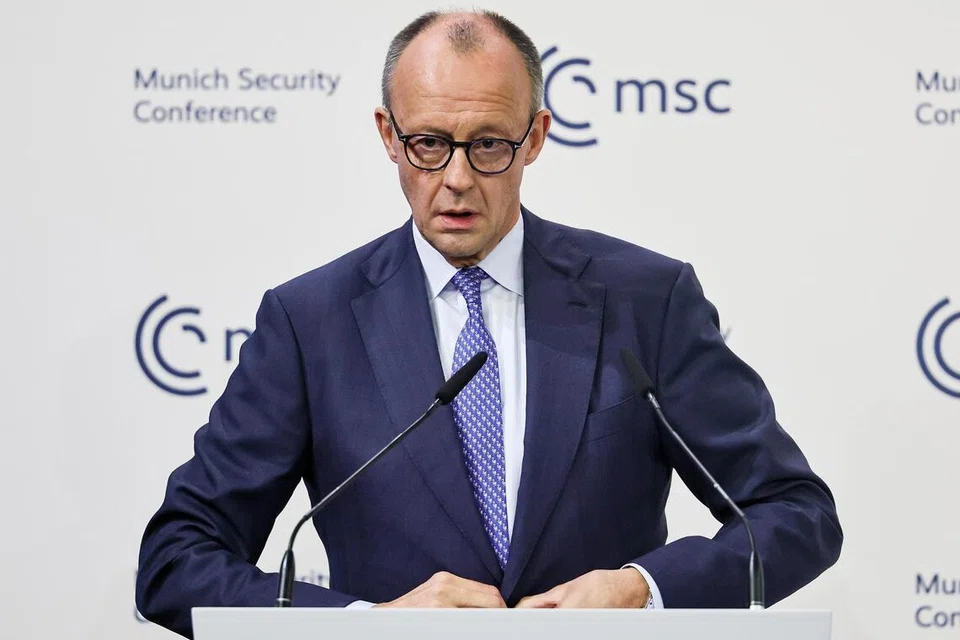
MUNICH/BERLIN — German Chancellor Friedrich Merz has urged Europe to strengthen itself and reset its relationship with the United States, calling on Washington to “repair and revive trust” as global politics enters what he described as a more dangerous era.
Opening the Munich Security Conference on Feb 13, Merz warned that the old international order is breaking down. He argued that neither side of the Atlantic can afford a lasting rift, even as Europe seeks a more independent path.
A sharper message about a world order that is fading
Merz said the rules-based order, while imperfect, no longer exists in the form many leaders assumed would endure after the Cold War. The remark set a bleak tone for a gathering focused on security at a time of rising great power competition.
He also stressed that the United States “cannot go it alone” in this new environment. However, he paired that with a demand that Europe do more to protect itself.
Europe’s defence push and quiet nuclear talks with France
Merz called for Europe to beef up its defences and signalled that sensitive discussions are under way with France on nuclear deterrence. The reference was closely watched, given growing European debate about strategic autonomy and the credibility of existing security guarantees.
At the same time, he framed NATO as a shared advantage. In a switch to English near the end of his speech, he argued the alliance benefits Washington as much as it benefits Europe.
Repairing transatlantic trust becomes the headline ask
Merz’s core appeal was political as much as military. He called for transatlantic trust to be rebuilt, reflecting broader concern in Europe about the stability of the relationship with Washington after a year of turbulence.
The speech captured a balancing act. Europe wants to show it can shoulder more responsibility, while still keeping the United States engaged in the continent’s security.
Rubio adopts a warmer tone after last year’s clash
US Secretary of State Marco Rubio also said the relationship faces a “defining moment” in a fast-changing world. Yet his language was noticeably more conciliatory than remarks delivered at last year’s conference by Vice-President J.D. Vance.
That contrast mattered in Munich. European officials have been looking for signs that Washington wants to steady the partnership, even as disagreements persist on burden-sharing, trade and the direction of the global order.
Merz’s message was blunt, but also practical. Europe, he argued, must build strength at home while keeping NATO central. And the United States, he said, should choose cooperation over suspicion as both sides confront a more unstable world together.