

US urges “partnership, not dependency” as NATO meets without Hegseth in Brussels

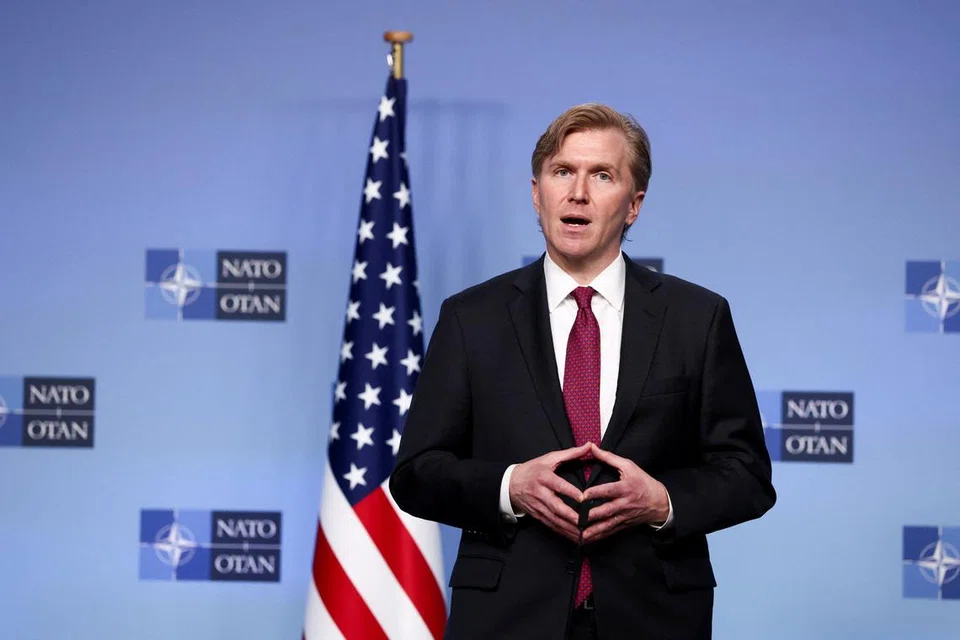
The Pentagon’s policy chief Elbridge Colby on Feb 12 urged NATO to rest on “partnership rather than dependency” as he arrived in Brussels for talks with allied defence ministers, in a meeting closely watched by European officials for signals of Washington’s priorities. Reuters reported the remarks as Colby spoke to journalists before the session.
US Defence Secretary Pete Hegseth did not attend the meeting at NATO headquarters. Colby, who holds the Pentagon’s No. 3 post, represented the United States instead.
NATO partnership message lands amid US absences
Hegseth’s absence marked the second consecutive time a senior Trump administration official skipped a NATO ministerial in Brussels. In December 2025, Secretary of State Marco Rubio missed a NATO foreign ministers’ meeting, with a senior deputy attending in his place.
The recent no-shows, plus periodic friction between President Donald Trump and European governments, have fuelled debate in Europe about the durability of US engagement in NATO. Trump has repeatedly pressed allies to spend more on defence and take greater responsibility for continental security.
Allies’ 5% spending pledge shapes burden-sharing debate
NATO leaders in 2025 agreed to a new target to invest 5% of GDP annually in defence and related security spending by 2035. The pledge includes at least 3.5% for core defence requirements, plus 1.5% for defence- and security-related investments.
NATO officials have described the commitment as part of a broader effort to strengthen deterrence and rebuild capabilities, while also responding to longstanding US calls for higher European spending.
Colby offers reassurance while pressing Europe to lead
Colby said the alliance has “a really strong basis for working together” and pointed to European agreement to lead the conventional defence of the continent. He framed the relationship as one in which allies share responsibility and align priorities, rather than rely on US military capacity by default.
The Brussels meeting also comes as NATO adjusts roles inside the alliance, including plans to shift certain command responsibilities to European officers, according to reports on the gathering.