

Trump State of the Union lands amid tariff setback, Iran pressure and DHS shutdown

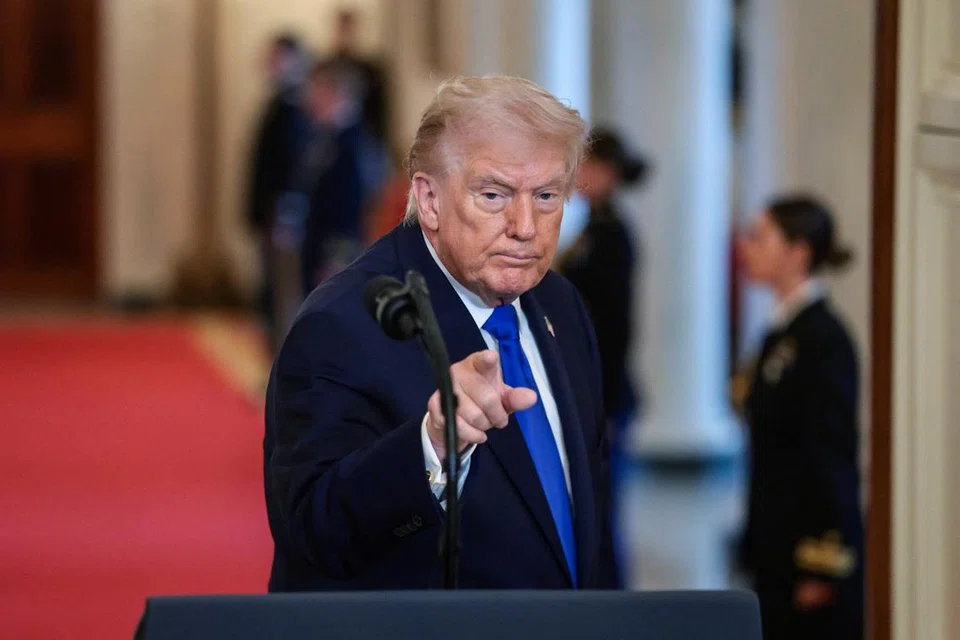
WASHINGTON — Donald Trump will deliver the State of the Union address to Congress on Feb 24 at a politically tense moment. His approval ratings have softened in recent polling, while voters remain focused on the cost of living. At the same time, the White House faces renewed scrutiny over Iran policy, a major legal blow to its tariff approach, and a partial shutdown at the Department of Homeland Security (DHS).
The prime-time speech gives Trump a national stage before a tough midterm campaign season. It also forces a single message across competing crises. Allies want reassurance, opponents want accountability, and lawmakers want clarity on what comes next.
A presidency under pressure at home
In recent days, the administration has confronted new economic signals that point to slower growth and stickier inflation. Those trends matter because Trump’s 2024 campaign leaned heavily on affordability promises. Many voters now judge his presidency through prices, jobs, and wages rather than international headlines.
The DHS shutdown adds another layer. The dispute centres on immigration enforcement tactics and funding terms in Congress. It has sharpened partisan lines ahead of the address, and it places border policy at the centre of the political fight.
Tariffs after the Supreme Court ruling
Trump is expected to respond to a Supreme Court decision that struck down his broad tariff regime under emergency authorities. The court’s decision limits the legal pathway he used for sweeping import duties, and it raises questions about what tools he can use next.
That matters for both politics and markets. Tariffs sit at the heart of Trump’s economic identity. He has framed them as leverage and protection. Critics say they raise costs and invite retaliation. In his speech, he is likely to argue the court was wrong and outline alternative routes for imposing levies.
Iran looms over the foreign policy section
The White House has signalled that Trump will address Iran, though officials have not offered operational details. The issue has gained urgency as the US has moved additional naval and air assets into the wider region. Trump has also set a short deadline for progress on nuclear talks, which has intensified uncertainty.
The speech may serve as his clearest public case so far for escalating pressure. It could also define the administration’s red lines. Any shift in tone will be watched closely in Congress, especially among members wary of another prolonged conflict.
A long night expected, with room to ad-lib
Trump has said the address will be lengthy. Advisers have also prepared for unscripted moments, given his tendency to depart from prepared text. That can energise supporters. It can also create fresh controversy, especially with senior officials and invited guests in the chamber.
This year, Democrats plan a visible counter-programme. More than 20 lawmakers are expected to skip the speech and attend an outdoor rally that organisers have described as a push for a more “honest description” of Trump’s record. The official Democratic response will follow, alongside a Spanish-language rebuttal.
What to watch once the speech ends
The address will not settle the tariff fight, the DHS funding dispute, or Iran policy on its own. Still, it will shape the next stretch of political messaging before November. The key test is whether Trump can keep the focus on economic reassurance while addressing a court setback, a security standoff, and a polarised Congress in the same hour.