

Iran China missiles talks intensify as US carriers gather near the Gulf

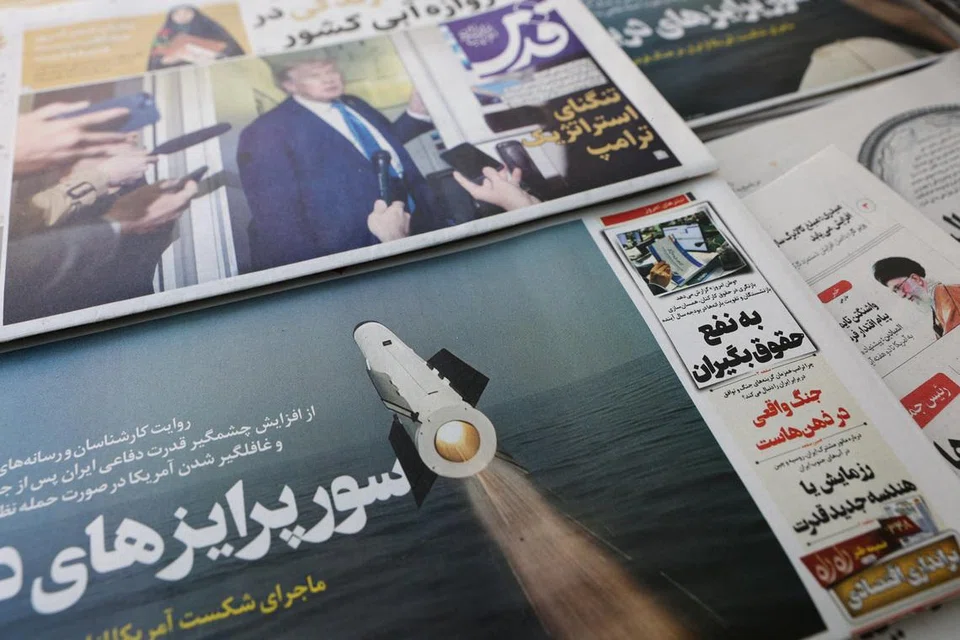
LONDON — Iran is nearing an agreement with China to buy anti-ship cruise missiles, according to multiple people familiar with the negotiations. The reported talks come as the United States moves major naval and air assets closer to Iran, amid renewed pressure over Tehran’s nuclear programme.
The potential purchase centres on the CM-302, a supersonic anti-ship cruise missile. People close to the matter said the deal is close, but they did not indicate any delivery date. China’s foreign ministry has said it is not aware of the reported negotiations.
What the CM-302 could change at sea
The CM-302 is designed to fly low and fast toward a target. That profile can reduce warning time for ships. “Supersonic” means it travels faster than the speed of sound.
Public specifications commonly cite a range capped around 290km for the export version. The system can be deployed from ships, aircraft or mobile launchers, depending on configuration.
If Iran adds this capability, it could strengthen its ability to threaten naval traffic near its coastline. It could also complicate planning for any force operating within that radius, especially in waters linked to the Strait of Hormuz.
Why talks reportedly sped up after the June war
People familiar with the discussions said Iran and China began negotiations at least two years ago. They added that the pace increased after a short Israel-Iran war in June 2025.
The same sources said senior Iranian military and government figures travelled to China as talks reached advanced stages last summer. They included deputy defence minister Massoud Oraei, according to two security officials.
Snapback sanctions tighten the arms environment
Any major arms transfer would unfold under renewed UN sanctions pressure. In September 2025, the “snapback” mechanism restored restrictions that had been suspended under the 2015 nuclear agreement framework. Snapback is a UN process that automatically reimposes earlier sanctions after a formal trigger and timeline.
European and US statements at the time said the restored measures targeted Iran’s nuclear-related proliferation activities. The renewed climate raises legal and diplomatic risks for suppliers and shippers, even if details stay opaque.
US carriers and aircraft move into position
The reported missile talks arrive as Washington builds a large regional posture. US deployments include two aircraft carriers, the USS Abraham Lincoln and the USS Gerald R. Ford, alongside supporting ships and extensive air assets, according to multiple reports.
Reporting has also described a surge in aircraft movements tied to contingency planning. A separate account said US planners are positioning forces to sustain multi-day operations if ordered.
A broader defence shopping list is also in play
People familiar with the negotiations said Iran is also discussing other Chinese systems. They mentioned air-defence weapons and other advanced capabilities, although no public timeline exists for any agreement.
Meanwhile, China, Iran and Russia have held joint naval drills in recent years. US sanctions have also targeted Chinese entities accused of supplying inputs linked to Iranian missile activity, claims China has rejected.
For now, the key questions remain practical rather than rhetorical. Observers will look for signs of contract finalisation, regulatory blowback, and any evidence of deliveries. The answers could shape risk calculations at sea, just as the US and Iran face a tighter diplomatic and military standoff.