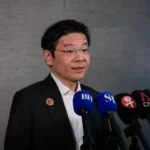

Budget debate Day 1 puts surplus, AI and small businesses under the spotlight

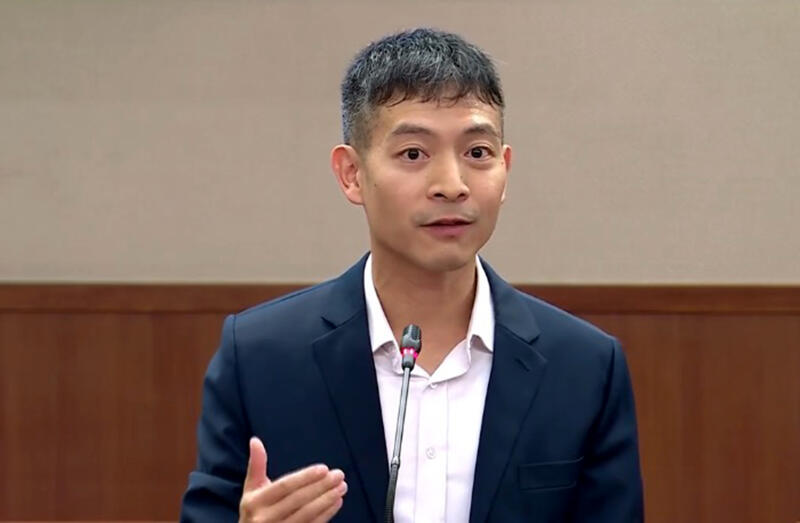
Parliament adjourned for the day after 31 MPs spoke in the first round of Singapore’s Budget 2026 debate. Proceedings will resume at 10.30am on Feb 25, with more interventions expected on fiscal policy, the national artificial intelligence (AI) push and support for small and medium-sized enterprises (SMEs).
The opening day showed how MPs from across the House want the Government to balance near-term help with longer-term resilience, especially after a larger-than-expected surplus and amid renewed emphasis on technology-led growth.
A surprise surplus reopens questions about fiscal “marksmanship”
One of the most debated topics was the revised FY2025 surplus of S$15.1 billion, which Prime Minister and Finance Minister Lawrence Wong flagged in his Budget statement on Feb 12. Reuters reported that the FY2026 budget is projected to return to a smaller surplus of S$8.5 billion, or 1% of GDP.
Workers’ Party MP Gerald Giam questioned whether repeated large forecast gaps point to overly conservative budgeting and a lack of accuracy. Channel NewsAsia reported him urging greater disclosure and scrutiny of public spending decisions alongside a review of fiscal projections.
PAP MP Shawn Loh, a former Budget director, argued for keeping conservative projections while creating a systematic “surplus-sharing” mechanism when windfalls occur. In Parliament, he floated returning any surplus above 2% of GDP the following year, through items such as additional CDC vouchers, CPF top-ups or rebates on government services.
AI ambition meets concerns about access and fairness
MPs also pressed the Government on how it will turn its national AI strategy into broad-based gains. The Budget speech announced new investments and governance structures to drive AI deployment across sectors, amid a wider warning about global uncertainty.
A recurring theme was capability-building, especially for SMEs and workers who need practical pathways to use new tools. MPs called for structured coaching, clearer support and a plan to ensure productivity gains do not concentrate in only a few high-wage segments.
Debate also touched on education and digital inclusion. One proposal urged earlier and more equitable access to personal learning devices, framed as a way to build a common baseline for AI literacy and reduce future opportunity gaps.
SMEs, hawkers and adoption risk take centre stage
SMEs drew sustained attention. MPs described smaller firms as critical employers, but flagged uneven readiness for AI adoption and integration. Calls ranged from stronger help for hawkers to digitalise, to incentives that reduce risk at the point of adoption and reward measurable productivity improvements.
Several speeches stressed that many firms do not lack awareness of technology. Instead, they lack the capacity to integrate tools into operations. In some sectors, MPs argued robotics could yield quicker productivity gains than more abstract AI applications.
Ageing estates and lift access return to the agenda
Housing and ageing estates surfaced late in the day, with calls for practical upgrades beyond surface improvements. Suggestions included more covered linkways, solutions to wastewater leakage, wheelchair-friendly access and stronger first- and last-mile connectivity.
Lift access remained a flashpoint. Singapore has achieved direct lift access for the vast majority of public housing blocks, but a small number of older blocks still lack access to every floor due to feasibility and cost constraints. The Ministry of National Development has said 99% of HDB blocks now have direct lift access, leaving a residual group that remains challenging to upgrade.
Seniors, caregiving and work also feature in day-one interventions
Beyond technology and housing, MPs raised social policy questions that link directly to workforce participation and retirement adequacy. One proposal called for a review of how per-capita household income affects eligibility for Silver Support, arguing it can create unintended effects for seniors who live with working adult children.
Others urged more targeted reskilling routes for parents returning to the workforce, alongside flexible work options that support caregiving without shutting the door on career progression.
Parliament resumes on Feb 25, with the surplus debate, AI implementation details and SME support expected to receive more airtime as MPs press for clearer rules, broader access and measurable outcomes