
Singapore’s measles tally reaches 13 in 2026 as CDA steps up precautions

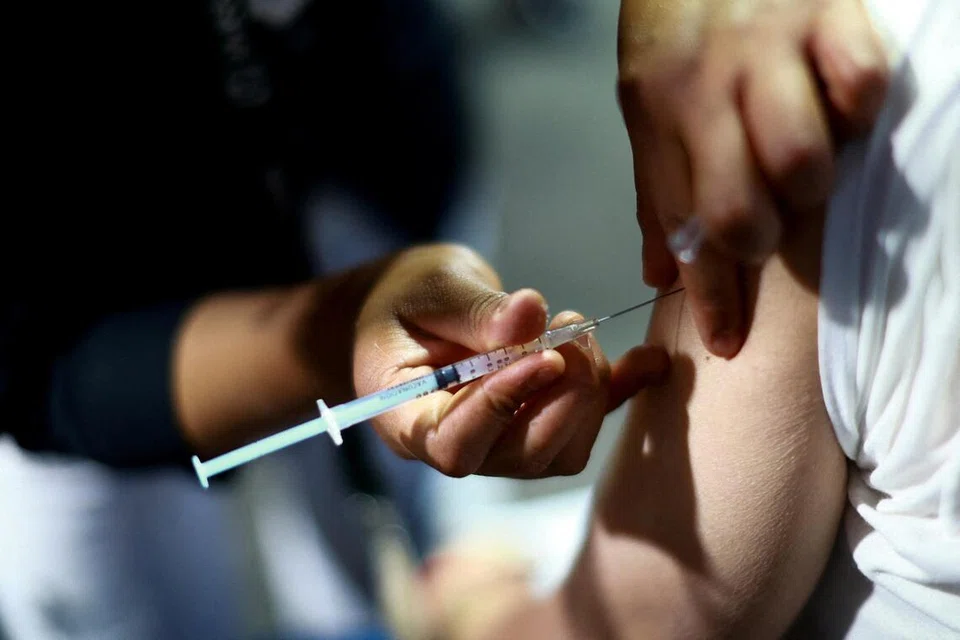
SINGAPORE — Singapore has detected two more measles cases, taking the country’s total to 13 in 2026. It is already the second-highest annual count in the past six years, even though it is only February.
The latest numbers were published on Feb 12 by the Communicable Diseases Agency (CDA) in its weekly infectious diseases bulletin.
The two new cases were recorded between Feb 1 and Feb 7. That is fewer than the five cases reported the previous week.
Singapore measles cases rise early in the year
With 13 cases so far in 2026, Singapore has already exceeded the 11 cases recorded in 2024.
The total remains below 2025, when 27 cases were reported. That was the highest annual number since 2020.
Singapore also saw 152 measles cases in 2019, in what was described as a significant spike linked to global outbreaks.
What the CDA changed from Feb 6
Singapore has tightened precautionary measures since Feb 6 to limit community spread.
People with confirmed measles must now be isolated until they are no longer infectious. Contact tracing is being carried out for all cases.
Close contacts must either be vaccinated or quarantined for up to 21 days. A close contact is someone who had a higher-risk exposure to an infected person, such as prolonged time in the same space.
Signs of possible undetected spread
The CDA has said that of the 11 cases detected in January 2026, three were confirmed by laboratory testing to involve genetically linked virus strains.
The cases had no known contact with one another. This points to possible undetected local transmission in the community.
The agency has started epidemiological investigations. This is the process of mapping exposures and links to understand how infections are spreading.
How measles spreads and why it matters
Measles is a highly contagious viral disease.
It spreads through airborne droplets and through direct contact with nasal and throat secretions. This makes crowded indoor settings and close household contact higher-risk environments.
Singapore’s rising case count has prompted tighter controls. The new isolation, tracing and quarantine rules are designed to break transmission chains while investigations continue.