
Selangor’s pig farms brace for closure as state moves to speed up shutdown

TANJUNG SEPAT, Selangor — Selangor’s 114 pig farms say they fear for their future as the state government accelerates plans to close them.
The move follows a decree by Selangor’s ruler, Sultan Sharafuddin Idris Shah, calling for porcine farms in the state to shut down. The farms are mainly in Tanjung Sepat and Sepang, a coastal area near the Strait of Malacca, about 100km south-west of Kuala Lumpur.
For farmers on the ground, the decision lands after years of disruption, heavy investment, and disease outbreaks.
Farmers say loans and upgrades may now be wasted
One farmer, who asked to be identified only as Mr Lee, said he borrowed RM1 million to install a manure treatment plant. He said he took the loan after believing the government was backing food production.
Now, he says, his licence for pig-rearing will not be renewed. He fears bankruptcy if he cannot keep up with monthly repayments of RM30,000.
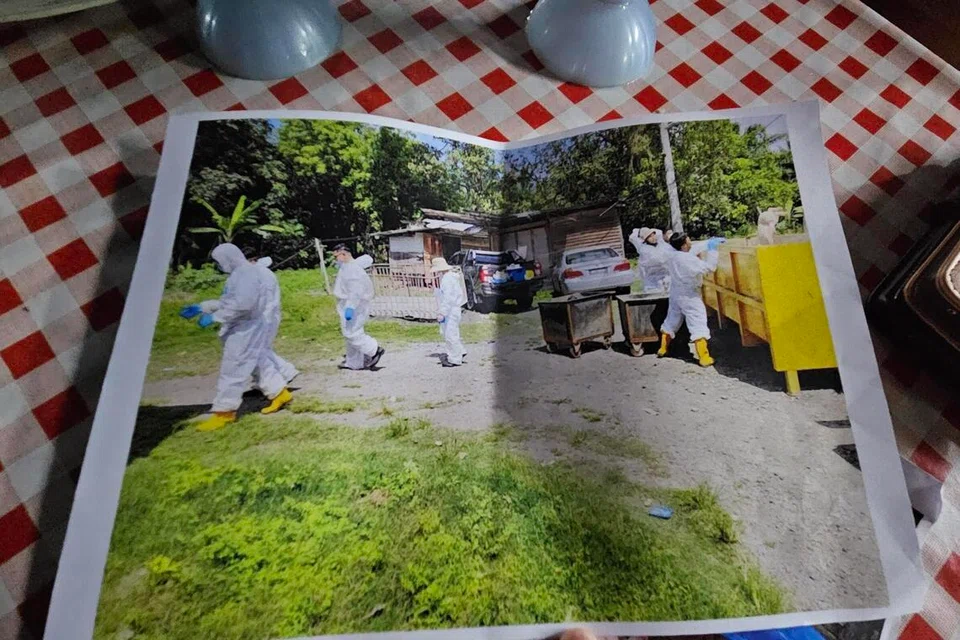
Mr Lee said he is currently relying on vegetable farming after African swine fever hit his operation and forced the culling of 1,000 pigs in early 2025. African swine fever is a viral disease that is deadly to pigs but does not infect humans.
Two other farmers also agreed to speak but asked not to be named, citing the sensitivity of pig farming in Malaysia.
Why pig farming is so politically sensitive in Malaysia
Pig farms have long been contentious in Malaysia, a Muslim-majority country.
In Islam, pigs are considered unclean. Pork is also “haram”, meaning forbidden for Muslims to consume. That religious context has often shaped how the issue is debated, especially when farms are near Malay-majority communities.
In his statement, the Sultan said he did not consent to pig farming in any district in Selangor. He also said the issue should be resolved because it causes anxiety and affects peace and social harmony.
Pollution concerns and a shelved relocation plan
The pig industry in Selangor has also faced scrutiny over odour and water pollution.
Earlier in 2026, Selangor’s pig-farming sector was rebuked by the ruler over concerns linked to pollution. A state plan to relocate farms to Bukit Tagar in northern Selangor has since been shelved.
Local residents around Bukit Tagar had objected strongly. They cited the site’s proximity to Sungai Selangor, a major water treatment plant that supplies a large share of water to Kuala Lumpur and Selangor.
Prime Minister Anwar Ibrahim later suggested halting the proposed centralised pig farming project in Bukit Tagar.
Licences halted and closures accelerated
Following the Sultan’s decree, Selangor Menteri Besar Amirudin Shari said the state has stopped issuing pig farming licences and will accelerate the closure of all existing farms.
He also said Selangor already relies heavily on supply from elsewhere. About 70 per cent of non-Muslim demand for pork is currently sourced from other states, he said. He added that Selangor will rely on imports following a state cabinet decision.
For farmers, the uncertainty is now immediate. Some say they invested millions to upgrade operations and improve waste treatment. Others say equipment may have little resale value, leaving them with debt and few options.
Selangor’s push to close its pig farms is reshaping a long-running debate over farming, regulation, and community concerns. For the 114 farms in Tanjung Sepat and Sepang, the next steps could determine whether they can exit the industry without financial ruin