
TB clusters in Malaysia: what travellers should know before the holiday rush

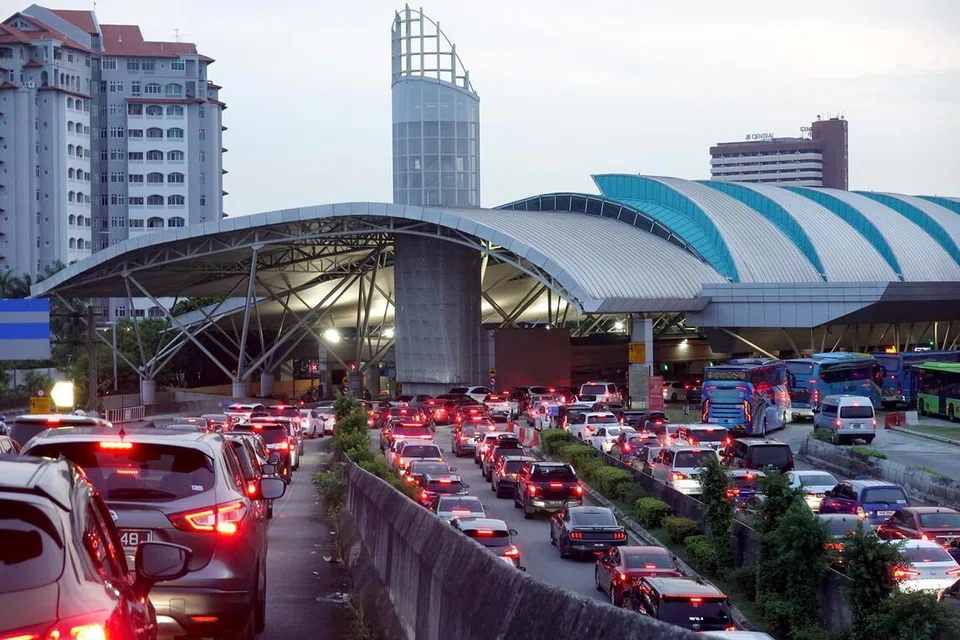
Malaysia has reported 10 new active tuberculosis (TB) clusters in 2026 as at Feb 7, as health authorities step up screening and tracing while travel picks up ahead of Chinese New Year and Ramadan.
Health Minister Dzulkefly Ahmad told Malaysia’s Parliament that one cluster in Johor involved 37 cases as of Feb 7, including children and adults.
Separately, Malaysian media reported that 2,571 TB cases were recorded nationwide between Jan 1 and Feb 7.
TB clusters Malaysia: what has been reported in Johor
In Kota Tinggi, Johor, the cluster includes students. Johor education and information committee chairman Aznan Tamin said some affected pupils have recovered while others remain under quarantine and treatment, according to local reports published on Feb 12.
Health authorities have said contact tracing and screening are under way for close contacts linked to active clusters, with symptomatic individuals referred for treatment.
What tuberculosis is and how it spreads
TB is an infectious disease caused by the bacterium Mycobacterium tuberculosis. It most often affects the lungs and spreads through the air when a person with infectious TB coughs or sneezes.
Transmission is more likely with close and prolonged exposure to someone with untreated, active pulmonary TB, rather thans and it is not typically spread through casual contact or by touching surfaces.
Symptoms to watch for while travelling
TB symptoms can develop gradually. Common signs include a persistent cough, chest pain, fever, weight loss, fatigue and night sweats.
Anyone who develops symptoms should minimise close contact with others and seek medical assessment, especially after prolonged time in crowded indoor settings.
Precautions travellers can take during festive travel
Some health experts have advised wearing a mask in crowded places during the travel period, particularly in enclosed areas such as buses, trains, terminals and packed indoor venues.
Other practical steps include improving ventilation where possible, avoiding spending extended periods in tightly packed indoor spaces, and paying attention to cough etiquette. People who are unwell should consider postponing non-essential activities that involve close contact.
When to seek medical advice
Travellers should seek medical advice promptly if they develop a persistent cough or other TB-like symptoms, especially if symptoms last for weeks or worsen.
The National Centre for Infectious Diseases in Singapore has advised that individuals with TB symptoms should wear a mask and avoid crowded places while arranging medical assessment.