

At the White House, stakes rise ahead of Iran talks

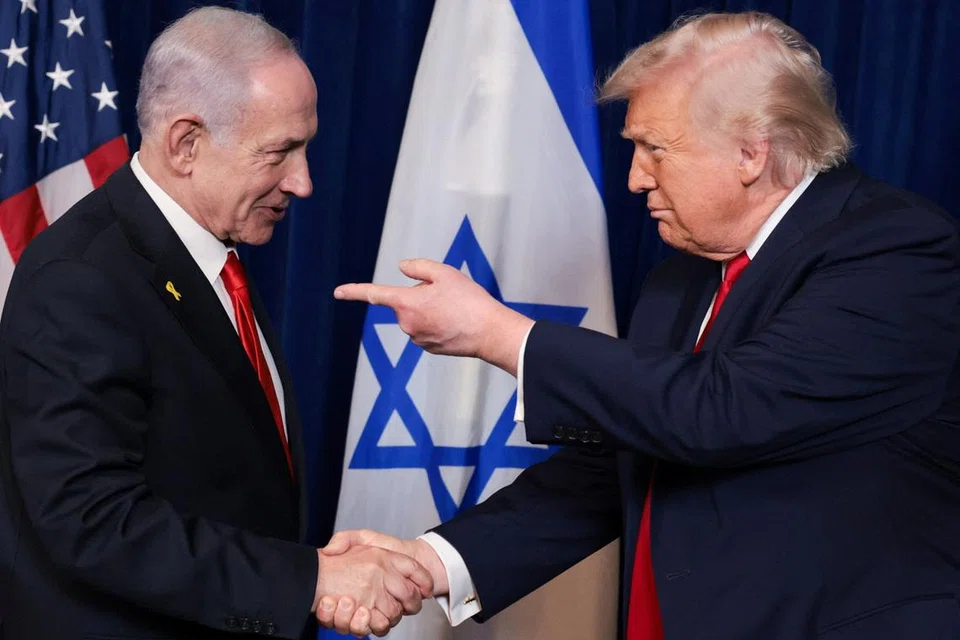
Donald Trump hosts Benjamin Netanyahu at the White House on Feb 11. The meeting comes days after indirect U.S.–Iran nuclear contacts in Oman on Feb 6. Washington is weighing next steps, including tighter terms on missiles and proxies. Mr Trump has warned he will act “very tough” if talks fail and said he may send a second U.S. carrier strike group to the region.
What Netanyahu wants from Washington
Mr Netanyahu plans to urge the U.S. to widen any deal. He seeks limits on Iran’s ballistic missiles and curbs on support for groups such as Hamas and Hezbollah. He also aims to shape the sequencing of sanctions relief. Israeli officials fear a narrow nuclear-only pact could leave other threats intact.
Trump’s leverage and military signals
In interviews on Feb 10, Mr Trump said Iran “wants to make a deal,” yet he is “thinking” about deploying a second carrier to raise pressure. A “carrier strike group” is a naval formation centered on an aircraft carrier with escort ships and aircraft. The message is clear: diplomacy continues, but the military option remains on the table.
Where the Iran talks stand after Oman
Indirect U.S.–Iran discussions resumed in Oman on Feb 6. No breakthrough was announced, and the next round has not been set. Oman continues to mediate, with senior Iranian official Ali Larijani meeting Sultan Haitham on Feb 10 to review options.
Why missiles and proxies are flashpoints
A “ballistic missile” is a rocket-powered weapon that follows a high-arcing trajectory and can carry conventional or nuclear payloads over long ranges. Israel argues that missile caps and constraints on proxy forces must accompany any nuclear limits to reduce regional risk. Tehran says negotiations should stay focused on the nuclear file and has vowed to retaliate if attacked.
What to watch on Feb 11
Signals to track include: whether the leaders reference missile language, how they frame sanctions relief, and any U.S. move to surge forces. Also watch for timelines on follow-up talks after Oman and whether Israel hints at unilateral options if diplomacy narrows. The meeting is the pair’s seventh since Mr Trump returned to office, underscoring the urgency—and the stakes—around the Iran track.
In short, Mr Netanyahu will push for a broader bargain while Mr Trump balances negotiations with overt pressure. The outcome will shape the next phase of U.S.–Iran diplomacy and the risk of escalation across the Middle East.