
East Coast Rail Link preview signals steady progress toward 2027

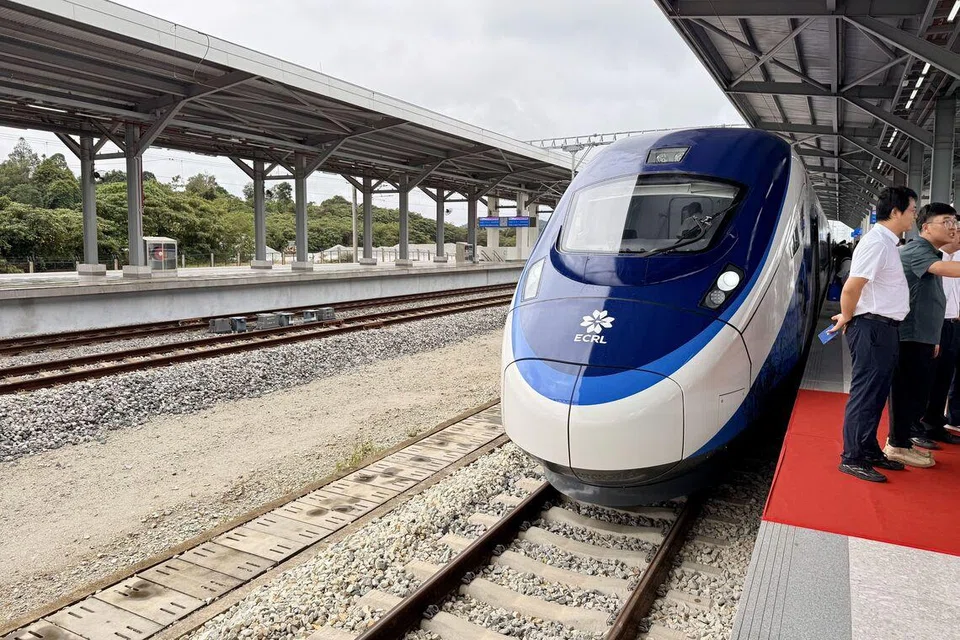
Malaysia staged a 20km preview run of the East Coast Rail Link (ECRL) in Kuantan on Feb 11. The demonstration used newly delivered CR200J passenger trains and included a round trip between KotaSAS and Kuantan Port City. Transport Minister Anthony Loke said overall works reached 91.7% in January and the project remains on course for a 2027 opening.
What happened in Kuantan and who attended
The preview brought together Mr Loke, Communications Minister Fahmi Fadzil and China’s ambassador Ouyang Yujing. Authorities reiterated that the first passenger service is planned between Gombak in Greater Kuala Lumpur and Kota Bharu on the east coast. The full line spans 665km and links key towns including Kuantan and Kuala Terengganu.
Rolling stock arrives and testing ramps up
The CR200J is a Chinese intercity electric train designed for speeds up to 160km/h and frequent stops. An electric multiple unit (EMU) is a self-propelled train where traction equipment is distributed across the set, improving acceleration and energy use. The first batch for ECRL—two EMUs for passengers and two electric locomotives for freight—arrived in Malaysia after factory tests late last year, enabling on-track preparations in 2026.
East Coast Rail Link timeline stays firm
Malaysia’s Transport Ministry continues to target a January 2027 start for passenger operations, with 2026 focused on system integration, driver training and safety validation. Officials emphasise operational readiness, not just track completion, as the key milestone before opening.
Who builds and pays for the line
Project owner Malaysia Rail Link (MRL), a Finance Ministry subsidiary, oversees delivery. China Communications Construction Company is the main contractor under the Belt and Road framework, with financing that includes loans from the Export-Import Bank of China. The construction cost stands at RM50.27 billion within a total development envelope previously stated at RM74.96 billion.
Why the ECRL matters for growth
The government has projected a 3.8% uplift to Malaysia’s GDP over 20 years from the ECRL, driven by faster cargo flows, tourism gains and regional investment around stations and ports. The line is designed to carry both passengers and freight, improving connectivity between the Klang Valley and the east coast.
In sum, the Kuantan preview marks the shift from civil works to operational preparation. With 91.7% completion recorded in January, rolling stock on site and testing under way, Malaysia remains aligned with the planned 2027 launch of a 665km corridor linking its east and west coasts.