

NTU to Phase Out AI Detection Tools by 2027, Citing Fundamental Unreliability

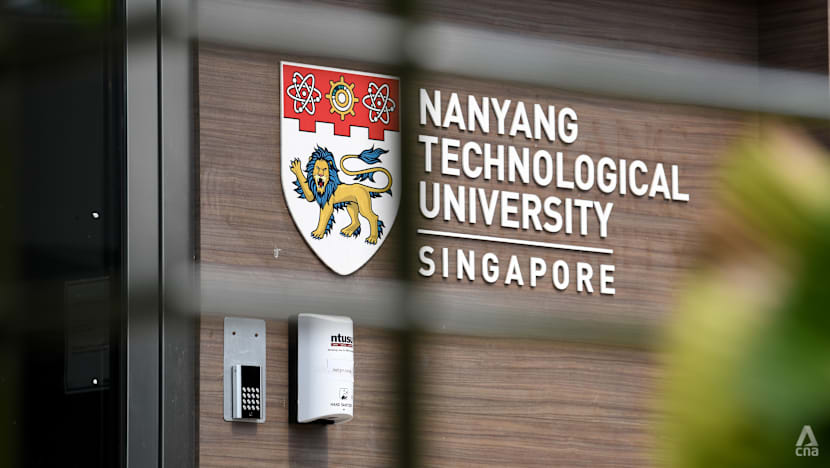
Nanyang Technological University will discontinue its artificial intelligence detection software by the end of 2027, the institution announced in an email to faculty on Thursday, August 13, declaring the tools “fundamentally unreliable” and incompatible with responsible AI integration in higher education.
A Clean Break from Automated Surveillance
The announcement came from Dr Tan Seng Chee, NTU’s associate vice-provost for education transformation, who confirmed that the university will deactivate its institutional AI detector at the close of the current semester — no later than December 31 — as a first step toward full discontinuation. The decision, he wrote, reflects a broader institutional recognition that automated detection tools “lack empirical validity” and cannot distinguish between unauthorised misconduct and the responsible, curriculum-integrated use of AI that NTU itself now promotes.
NTU will no longer treat AI probability scores as evidence of academic misconduct. Dr Tan described the shift as consistent with “emerging best practices across local and international universities”, framing it not as a retreat but as a deliberate realignment of the university’s technological infrastructure with its pedagogical commitments.
“Transitioning away from automated detection ensures our technological infrastructure aligns fully with our commitment to responsible AI integration, rather than passive surveillance,” Dr Tan wrote.
Context: A Year of Controversy
The policy shift follows a period of significant institutional friction. In April 2025, three NTU students were accused of misusing AI tools — specifically for generating false and inaccurate citations — in coursework where the use of ChatGPT and generative AI had been explicitly prohibited. The students disputed the accusations and raised concerns about due process, triggering consultations with the university. One student who appealed the outcome had a zero mark upheld; the cases drew wider attention to the procedural risks of relying on automated detection flags as primary evidence.
That episode exposed a structural tension that Dr Tan’s email now addresses directly: as of this academic year, all NTU faculty and students have access to the university’s AI enterprise suite, meaning the simultaneous operation of institutional AI tools and automated AI surveillance was, by the administration’s own admission, generating “mixed signals”.
From Policing to Pedagogy
Dr Tan’s email articulates the costs of detection-based enforcement on both sides of the classroom. For students, he argued, adversarial detection scores create an environment of surveillance that “undermines the psychological safety” necessary for creative and intellectual risk-taking. For faculty, ambiguous probability reports impose administrative burden and cognitive friction, pushing educators into “defensive policing roles” that generate burnout and erode trust between teachers and students.
“Deactivating these tools frees faculty to focus their time and energy on meaningful pedagogical engagement,” Dr Tan wrote, signalling a shift toward what he called “process-oriented documentation” — assessment designs that evaluate learning through transparent, demonstrable student work rather than algorithmic flags.
Transitional Guidance and Outstanding Questions
A practical guide attached to Thursday’s email instructs faculty members to stop describing AI detectors as a deterrent and to treat automated scores or flags as non-evidentiary. Faculty have also been encouraged to establish standardised AI disclosure protocols and to adapt a sample disclosure form for their individual classes, providing a framework for transparency rather than enforcement.
CNA has asked NTU to identify the specific AI detection software the university has been using and whether it was directly implicated in prior misconduct accusations. Queries have also been sent to Singapore’s other autonomous universities to determine whether similar phase-out measures are under consideration. Responses remain pending.