
RTS Link to Widen Singapore’s Cross-Border Spending Gap by S$290 Million Annually, Study Warns

The Structural Shift Arriving in January 2027
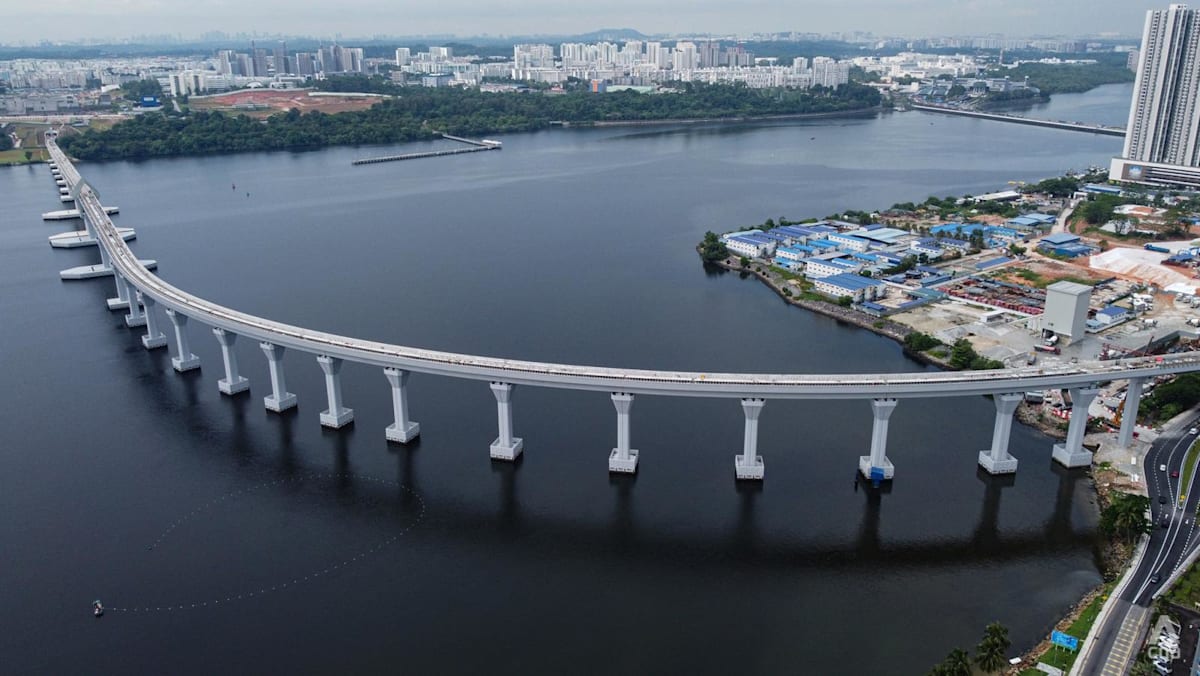
When the Johor Bahru-Singapore Rapid Transit System Link opens in January 2027, it will do more than shorten a commute. It will structurally reconfigure consumer spending flows between two cities already deeply entangled by proximity, price differentials, and habit. A study commissioned by the Singapore Business Federation (SBF), the Restaurant Association of Singapore, and the Singapore Retailers Association, released on 16 July, quantifies what many heartland retailers have long feared: the RTS Link will accelerate outbound spending in ways that Singapore’s retail and food and beverage sectors are not fully equipped to absorb.
Key Takeaways From the Study
The study surveyed approximately 1,700 Singapore consumers and 400 Johor Bahru consumers in March 2025, supplementing survey data with historical credit card spending records and government statistics. Its projections are sobering for Singapore’s non-central business districts.
The asymmetry is not incidental. It reflects a durable structural reality: Singapore’s cost base — wages, rent, regulatory compliance — makes it systematically more expensive to deliver everyday goods and services than Johor Bahru. The RTS Link does not create this differential. It removes the friction that previously contained it.
Price Competition and Its Limits
Businesses participating in the study were unambiguous on one point: competing on price alone is not viable. Johor Bahru already commands a decisive cost advantage in groceries, pharmaceuticals, and beauty services, and the RTS Link will make accessing that advantage considerably easier for the average Singapore resident. The question for Singapore’s retail and F&B operators is not whether they can match Johor Bahru on price — they cannot — but whether they can construct a sufficiently differentiated value proposition to retain footfall despite the gap.
SBF chief executive Kok Ping Soon framed the challenge with deliberate precision. “Many are already under pressure from manpower constraints, from rental costs and operating costs, and RTS Link adds another layer of competitive pressure, which is structural,” he said. The word structural matters here. Structural pressures do not yield to short-term promotional campaigns or one-off subsidies. They require sustained reconfiguration of business models, operating costs, and the regulatory environment in which firms operate.
Small and medium-sized enterprises expressed particular anxiety about their capacity to adapt at the pace that larger operators can. SMEs lack the capital buffers, the operational flexibility, and frequently the managerial bandwidth to pivot quickly. The study notes they called explicitly for targeted support — not generic encouragement, but concrete interventions calibrated to their specific vulnerabilities.
Three Priority Areas for Action
Stimulating Local Spending
The three industry groups identified stimulating domestic consumption as the first priority. They proposed expanding the existing CDC voucher scheme — currently oriented toward heartland businesses — to cover merchants in sectors most exposed to outbound spend, specifically drug stores, grocery retailers, and food and beverage establishments. The logic is straightforward: if price sensitivity is driving consumers across the Causeway, a targeted subsidy mechanism can partially offset that differential without requiring businesses to absorb the cost themselves.
Boosting Tourist Spend Through Experiential Offerings
The second priority is deepening Singapore’s capacity to extract value from inbound visitors, particularly from Johor Bahru. The study’s finding that 34 per cent of Johor Bahru respondents intend to visit Singapore for events — up ten percentage points from current levels — points to a clear lever. The industry groups recommended expanding Singapore’s night-time economy to encompass cultural performances, live shows, sports events, wellness activities, and night markets. These are precisely the categories where Singapore’s infrastructure, safety, and institutional quality confer a genuine advantage over Johor Bahru, and where the price differential matters less to the consumer’s decision.
Addressing Structural Cost Pressures on Businesses
The third priority targets the cost architecture that constrains adaptation. The study recommended temporary property tax relief for malls and retail tenants undertaking significant upgrading works — a recognition that physical reinvestment is necessary but financially punishing under current conditions. It also recommended permitting the cross-deployment of foreign workers across related roles or commonly owned entities, allowing firms to match manpower more efficiently to operational demand rather than being locked into rigid sectoral allocations. These are not radical proposals. They are targeted adjustments to existing regulatory frameworks, designed to reduce the friction that prevents businesses from responding to competitive pressure.
What the Government Does Next
SBF’s Kok confirmed that the study’s findings have been shared with relevant government agencies and that the RTS Link task force — formed last year specifically to support local businesses in anticipating the link’s impact — has received the recommendations. “We do hope that over the next few months we have the opportunity to stress test these recommendations with them, and hopefully the government will take it in totality,” he said. The phrase in totality is significant. Piecemeal adoption of the recommendations risks addressing symptoms while leaving the structural imbalance intact. The RTS Link opens in January 2027. The window for meaningful institutional response is narrowing.