

How to Responsibly Recycle Your Old Laptop, PC, or Printer — and Why Most People Never Do

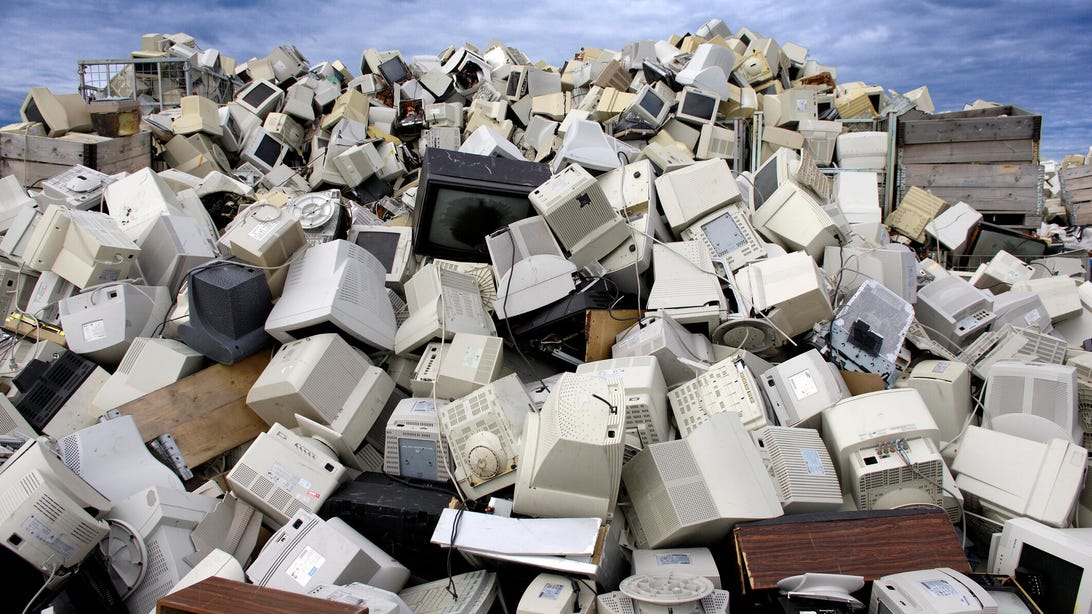
There is a particular kind of procrastination that afflicts otherwise decisive people when it comes to old electronics. The laptop that stopped running properly in 2019 migrates from the desk to the wardrobe shelf, then to a storage bin, then to the garage, where it joins a quiet graveyard of devices that nobody uses and nobody throws away. This is not laziness. It is the paralysis of a decision that feels, without reason, complicated — questions of cost, of data security, of environmental guilt hovering unresolved. The reality is considerably less daunting. Recycling a computer, printer, or peripheral is, in most cases, free, takes an afternoon, and requires one preparatory step that most people overlook entirely.
That step is data. Before any device leaves your hands, it must be properly wiped — not casually emptied, not cursorily formatted, but subjected to a factory reset or a dedicated drive-scrubbing utility that overwrites the sectors where your financial records, saved credentials, and personal correspondence once lived. Dragging files to the trash and emptying it does not accomplish this. The data remains on the drive, recoverable by anyone with elementary forensic tools. A proper factory reset takes roughly ten minutes on most modern machines; third-party tools such as DBAN handle older systems with spinning hard drives. This is the one non-negotiable act before recycling, and it is also the one most frequently skipped.
Once the device is clean, the options multiply quickly, and several of them cost nothing at all.
Major retailers have quietly built out substantial e-waste collection infrastructure, partly out of regulatory obligation and partly because reclaiming heavy metals and plastics from consumer electronics has genuine commercial logic. Best Buy accepts up to three household items per day for free recycling — desktop computers and printers among them — with a more generous allowance of five laptops per household per day. Monitors are a partial exception: drop-off rules vary by state, and fees may apply. Best Buy also operates a mail-in recycling service for select items, with prepaid boxes priced at $23 for up to six pounds and $30 for up to fifteen. Staples operates a simpler, more permissive programme: old desktops, laptops, and printers can be handed to any checkout counter, free of charge, regardless of where the device was originally purchased. The retailer also runs a free at-home battery recycling box scheme that has scaled from roughly fifty batteries recycled per week to thousands — a figure that suggests the friction of disposal, not the will to dispose, is the binding constraint.
Office Depot, which merged with OfficeMax in 2013, takes a hybrid approach. It runs a tech trade-in programme — in-store and online — through which functioning devices may earn a store gift card; devices with no residual trade-in value are recycled at no cost. The retailer also sells e-waste recycling boxes, priced from $8.39 for a small unit holding up to twenty pounds, through $18.29 for a medium, to $28 for a large box accommodating up to sixty pounds. These are not free, but they offer a convenient mail-in alternative for those without easy access to a drop-off point. Apple offers free recycling of its own computers, monitors, and peripherals at retail stores, though with a condition that narrows its utility considerably: the service requires the concurrent purchase of a qualifying Apple device. Those without that intention can turn to third-party buyers such as Gazelle, which purchases old MacBooks, issues a prepaid shipping label or box, and handles the logistics from there.
For those who live at a distance from these retail chains, or who prefer a purpose-built recycling facility, two search tools do the work of locating options. Earth911 provides a recycling centre locator searchable by ZIP code and material type — laptops, desktops, and printers are all filterable categories, though results occasionally surface mobile phone recyclers that do not accept computers, so some manual filtering is necessary. The Consumer Technology Association’s Greener Gadgets Recycle Locator offers similar functionality with the added convenience of separate filters for computers versus printers, which matters when a facility accepts one category but not the other.
The infrastructure, in other words, already exists. It is distributed, largely free, and requires no special knowledge to navigate. What it requires is the decision to stop treating the obsolete device in the garage as a deferred problem. The data wipe takes ten minutes. The drive to the nearest Best Buy or Staples takes, in most urban and suburban contexts, less than that. What lingers in storage bins across the region is not a shortage of options — it is a shortage of the small, deliberate act of beginning.