
China Warns Indonesia: $50 Billion in Nickel Investments at Risk Over Regulatory Crackdown

China Warns Indonesia: $50 Billion in Nickel Investments at Risk Over Regulatory Crackdown
China has issued a stark diplomatic warning to Jakarta, putting $50 billion in industrial investments on notice as Indonesia’s resource nationalism drive collides head-on with the Chinese capital that built its nickel industry. A letter from the Chinese Embassy to Indonesia’s Ministry of Energy and Mineral Resources, obtained by the Financial Times, warns that recent regulatory shifts are destabilising the sector at a critical moment for the global electric vehicle supply chain.
The Grievances on the Table
The China Chamber of Commerce in Indonesia (CCCI) filed a formal complaint directly to President Prabowo Subianto, outlining a cascade of policy changes it says are systematically undermining the business environment. Five sources with direct knowledge confirmed the letter’s existence, speaking anonymously as they were not authorised to discuss it publicly.
An executive at a major Chinese mining house told reporters that Chinese firms feel “targeted and treated unfairly” — particularly after committing billions to local infrastructure over the past decade.
Why the Stakes Are This High
Indonesia is not a peripheral player in this story. The country controls more than two-thirds of global refined nickel supply, making any sustained operational disruption a direct threat to EV battery manufacturers worldwide.
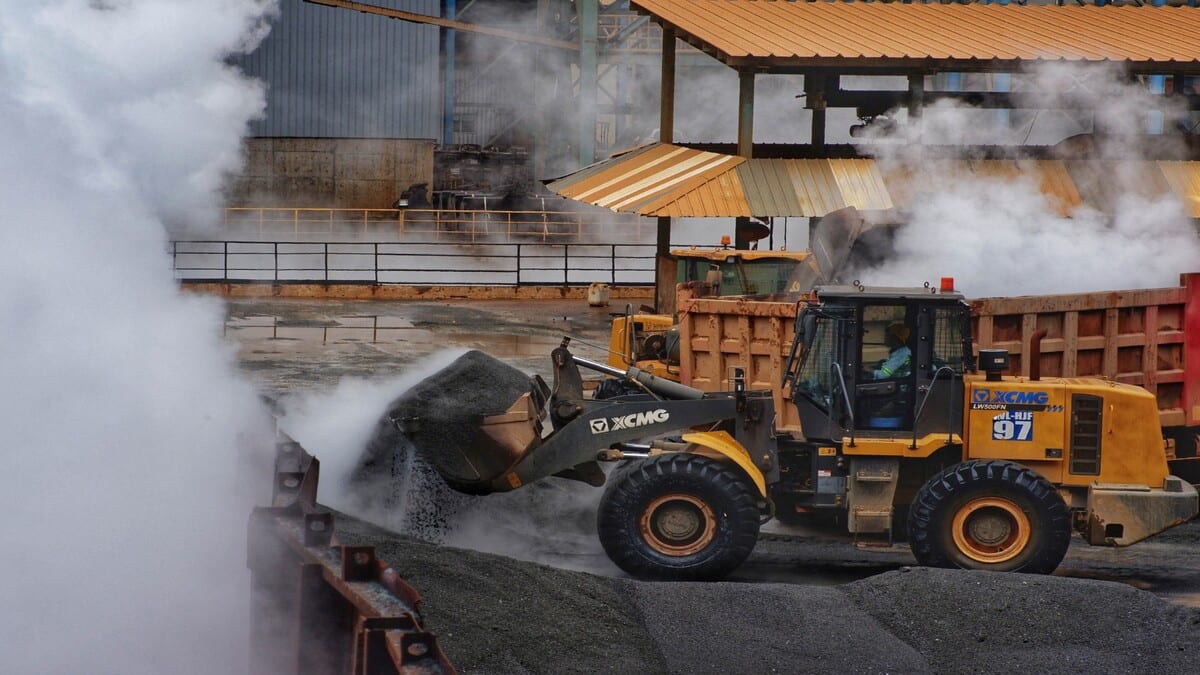
Chinese firms have invested over $65 billion into smelters, industrial parks, and battery material processing facilities in Indonesia over the past decade, primarily in Sulawesi. Tsingshan and Jiangsu Delong alone account for more than 70 percent of Indonesia’s nickel refining capacity. These assets cannot be relocated.
That structural lock-in is precisely what makes the current standoff so consequential — and so difficult to resolve cleanly.
Jakarta’s Strategic Calculus
The Prabowo administration is pursuing an explicit resource nationalism agenda. Quota controls, like the earlier export ban on raw ore, are designed to concentrate supply toward domestically-oriented processors and shift the value chain in Indonesia’s favour.
In April 2026, President Prabowo broke ground on 13 new natural resource processing projects worth $7.6 billion, describing downstreaming as “the path to national revival” with nickel at its centre. He has also formed a task force to develop the downstream mineral industry using domestic financing — a direct signal that Jakarta wants to reduce its perceived dependence on foreign capital.
Indonesia’s ambitions extend further still. Jakarta has pursued a position as the “OPEC of nickel,” and has established the IndoPhil Nickel Corridor working group with the Philippines to coordinate regional mining activities.
The Diplomatic Response
Following the letter’s circulation, Energy Minister Bahlil Lahadalia confirmed he had discussed several mining policies directly with China’s ambassador, including revisions to the benchmark nickel pricing formula. The government has delayed planned royalty and export-duty increases, and President Prabowo separately acknowledged investor complaints about permitting delays, calling for deregulation.
These are concessions at the margins. The structural tension — between Jakarta’s determination to extract greater sovereign value and Beijing’s determination to protect sunk capital — remains unresolved.
What Happens Next
A full Chinese exit from Indonesia’s nickel sector is implausible. Investment horizons are long, supply chains are integrated, and Indonesia remains one of the few jurisdictions globally offering large-scale nickel reserves alongside government support for downstream processing.
The more credible scenario is a strategic slowdown: postponed smelter construction, reduced reinvestment, and demands for higher returns to compensate for elevated political risk. Chinese firms may also reduce output to protect margins rather than absorb rising costs.
The deeper question is whether Jakarta can extract greater resource rents without undermining the foreign investment model that enabled its rapid ascent in the first place. The interests of Chinese investors and the Prabowo administration are increasingly misaligned — and the resolution of that tension will shape not just Indonesia’s nickel sector, but the broader trajectory of Southeast Asia’s role in the global green energy supply chain.