Iran Offers Maritime Aid to Hormuz Vessels as Tehran Reviews US Peace Proposal

Iran Offers Maritime Aid to Hormuz Vessels as Tehran Reviews US Peace Proposal
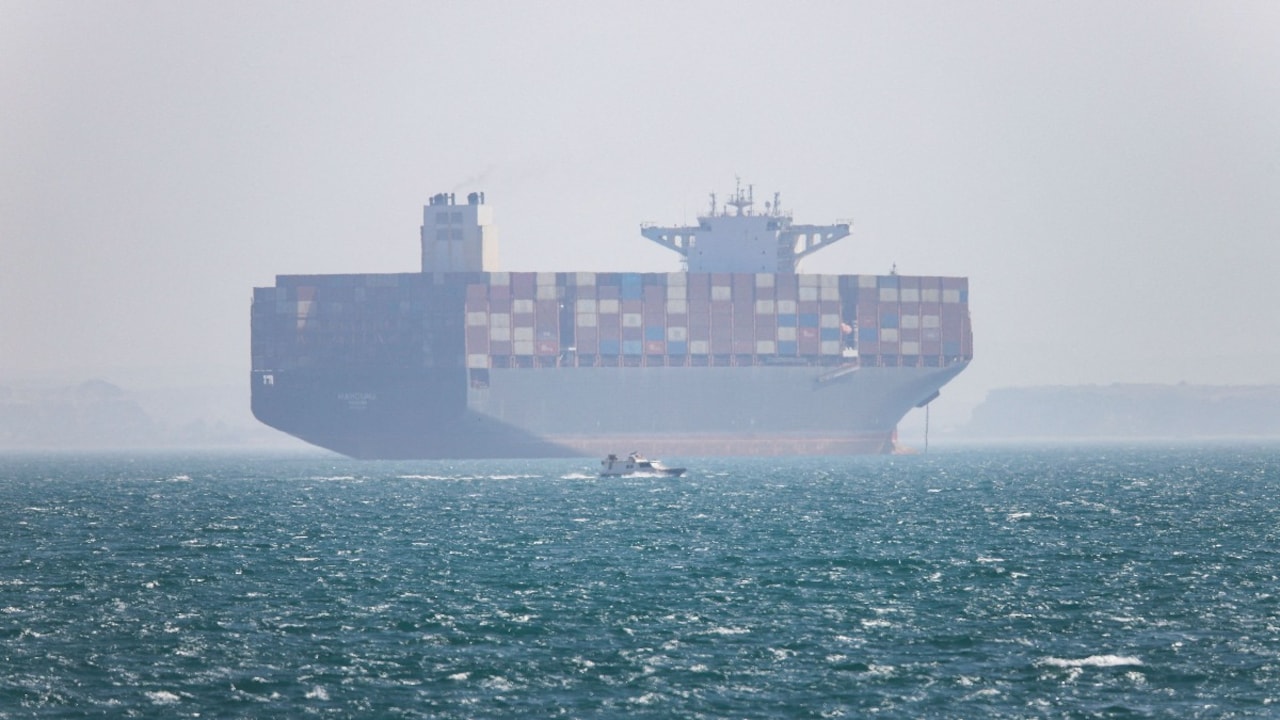
Iran’s Ports and Maritime Organisation announced on Thursday that it stands fully prepared to provide maritime, technical, and medical support to commercial vessels navigating the Strait of Hormuz — a move that coincides with Tehran’s review of a US peace proposal that could reshape the standoff between the two nations.
What Iran Is Offering
According to a statement carried by Iran’s state-run IRNA, the Ports and Maritime Organisation said its offer covers a broad range of services for vessels operating near Iranian territorial waters and anchorages.
The organisation said the message would be broadcast three times daily over three consecutive days through maritime communication networks and VHF systems. Ship masters and owners were instructed to contact Vessel Traffic Service centres at the nearest Iranian ports, or via local representatives on VHF channel 16, to request services.
The Diplomatic Backdrop
The announcement arrived one day after US President Donald Trump declared a temporary pause to Project Freedom — his administration’s initiative to assist commercial vessels stranded in the Strait of Hormuz amid escalating Gulf tensions. Trump cited progress in US-Iran negotiations as the reason for the pause, saying he believed Tehran wanted an agreement.
The pause followed requests from Pakistan, which has been acting as a mediator between Washington and Tehran. Trump disclosed the decision in a post on Truth Social, noting that a naval blockade of Iran’s ports remains in place despite the initiative’s suspension.
An Iranian foreign ministry spokesperson, cited by ISNA, confirmed that Tehran is reviewing the US proposal and would formally convey its response. However, the proposal reportedly leaves unresolved two of Washington’s core demands: that Iran suspend its nuclear programme and reopen the Strait of Hormuz.
Strategic Significance
The Strait of Hormuz is one of the world’s most critical maritime chokepoints, through which a significant share of global oil supplies passes. Iran’s offer to provide services to vessels in the area underscores its assertion of sovereign and regulatory authority over the waterway, even as diplomatic negotiations remain fragile and inconclusive.
Whether Tehran’s maritime outreach represents a confidence-building gesture or a calculated assertion of control over a strategically vital corridor remains to be seen — and will likely depend on how the broader peace negotiations unfold in the coming days.