

India Overhauds OCI Programme: Faster Applications, Expanded Eligibility, and Stricter Compliance Rules

India Overhauds OCI Programme: Faster Applications, Expanded Eligibility, and Stricter Compliance Rules
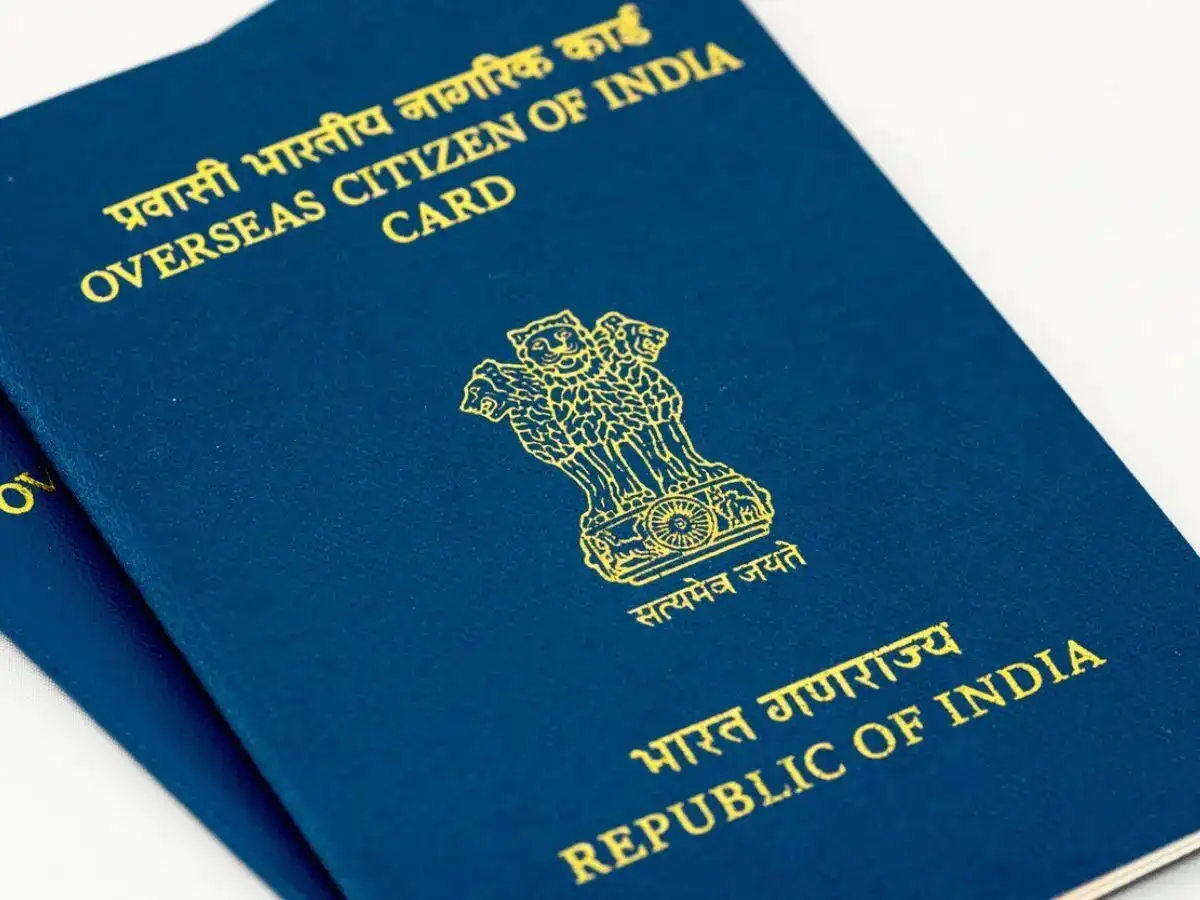
India’s Ministry of Home Affairs has overhauled its Overseas Citizen of India (OCI) programme for the first time in over a decade, introducing changes that affect both new applicants and existing cardholders. The revised framework, reported by immigration consultancy Fragomen, broadens eligibility, removes a longstanding residency requirement, and introduces financial penalties for non-compliance.
Six-Month Wait Requirement Scrapped
Under the previous system, foreign nationals of Indian origin were required to complete a six-month stay in India before applying for an OCI card. That requirement has been eliminated.
Eligible applicants holding a valid long-term visa and the required documentation can now submit their OCI application shortly after arriving in the country. Fragomen noted the change is expected to reduce administrative delays and ease mobility for applicants.
Fines Introduced for Passport Update Failures
The revised rules impose new compliance obligations on existing OCI cardholders. Individuals who fail to update their new passport details on the OCI portal within three months of passport issuance will face a fine of US$25, or its equivalent in local currency.
Authorities say the measure is intended to ensure timely record updates and improve the tracking of identity documents across the system.
Biometric Upgrades to Speed Up Airport Clearance
India has also upgraded its biometric verification systems linked to OCI processing. The enhanced infrastructure will enable faster e-gate immigration clearance at airports through real-time matching of passport and OCI data.
The move signals a broader push to modernise immigration infrastructure and reduce processing bottlenecks at entry points.
Sri Lankan Tamil Diaspora Gains Eligibility
In a significant expansion of the programme’s scope, the government has extended OCI eligibility to fifth- and sixth-generation Indian-origin Tamils in Sri Lanka. Previously, eligibility was capped at fourth-generation descendants.
Fragomen noted the change will benefit a larger segment of the Sri Lankan diaspora, particularly communities with limited historical documentation — a group that has historically faced barriers in establishing lineage for eligibility purposes.
What Applicants and Cardholders Should Do Now
The overhaul represents the most substantive revision to the OCI framework since the programme was consolidated under the Citizenship Act. For the Indian diaspora across Southeast Asia — including Singapore’s sizeable Indian-origin community — the changes carry direct practical implications for travel, documentation, and identity management.