
Middle East Tensions Raise Fresh Concerns Over Global Energy Security

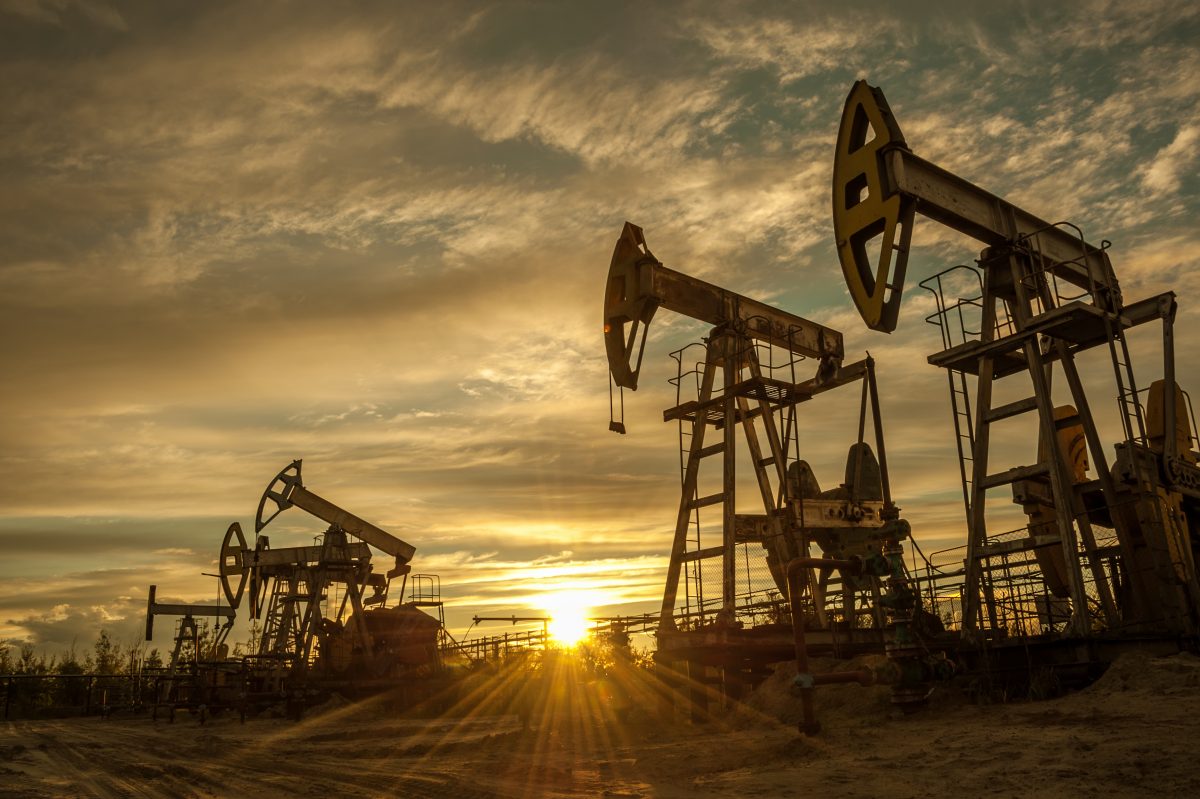
Global energy markets are on alert again. Tensions in the Middle East can move prices fast, even before any physical disruption. That is because the region sits at the centre of oil exports and key shipping routes. For energy importers in Asia, including Singapore, the risk is not only higher prices. It is also uncertainty over supply and shipping.
Why the Middle East still matters most
The Middle East remains critical for global oil flows. Many of the world’s largest producers and exporters operate there. When political and security risks rise, traders price in the possibility of supply interruptions.
This often shows up first in crude benchmarks like Brent. Brent is a global oil price reference used in many contracts. Even if barrels keep moving, perceived risk can lift prices and widen volatility.
Shipping choke points are the real pressure point
Energy security is not only about production. It is also about transit.
The Strait of Hormuz is one of the world’s most important maritime corridors. A large share of seaborne oil and related products passes through it. If shipping there becomes riskier, the impact can spread quickly. Freight rates can jump. Insurance costs can rise. Some vessels may reroute, adding time and cost.
These “risk premiums” can filter into everything from petrol to airline tickets. They can also disrupt delivery schedules for refiners and power utilities.
LNG supply worries add another layer
Oil is not the only concern. LNG is also exposed. LNG stands for liquefied natural gas, which is natural gas cooled into a liquid for long-distance shipping.
Asia relies heavily on LNG for power generation and industrial use. If Middle East tensions raise shipping risks, LNG cargoes may be delayed or redirected. Prices can react sharply, especially during seasonal demand peaks.
In practice, this can tighten electricity markets and raise costs for manufacturers that depend on gas-fired power.
Asia feels the shock first
South and Southeast Asia are highly exposed because many economies are net energy importers. When energy costs rise, inflation pressures can return. That can complicate central bank decisions and squeeze household spending.
For governments, the challenge is balancing price stability with fiscal costs. Fuel subsidies, where they exist, can become more expensive. Where prices are passed through, households feel it directly.
Singapore’s position as a hub brings both risk and leverage
Singapore imports almost all of its energy. That makes it sensitive to global price swings. At the same time, Singapore plays a key role in energy trading, refining, storage, and maritime services.
That hub role can help the economy capture activity when markets are active. However, it also means local businesses face sharper exposure to market volatility. Trading margins can widen, but so can risk. Shipping services may see higher demand, but also higher compliance and insurance burdens.
Companies shift from cost to resilience
When tensions rise, many firms change how they buy energy. They may lock in prices earlier, extend hedges, or diversify suppliers. A hedge is a financial arrangement used to reduce exposure to price swings.
Large buyers also review their logistics plans. They check delivery windows, alternative ports, and contingency inventory. This is a move away from “just in time” supply toward buffers that keep operations stable.
For smaller firms, the pressure is simpler. Higher fuel and electricity bills can squeeze margins fast, especially in transport, food services, and manufacturing.
What to watch in the weeks ahead
Three signals will matter most.
First, whether shipping risks expand. Even limited incidents can lift freight and insurance costs. Second, whether major producers signal any change in output or export policy. Third, whether Asian buyers start competing more aggressively for spot cargoes, which can push prices higher.
Markets will also watch how quickly diplomacy can cool tensions. Price spikes often fade when routes stay open. However, repeated shocks can keep a higher risk premium in place.
Energy security is back in focus because the system is tightly connected. A rise in Middle East tensions does not need to stop supply to cause disruption. It only needs to increase uncertainty. For Asia and Singapore, that means managing costs, protecting supply chains, and preparing for volatility that can return without warning.