
Global Markets on Edge as Central Banks Split on Rate Direction

Investors are navigating a new problem in 2026. Central banks are no longer moving in the same direction. Some are holding tight. Others are leaning hawkish. A few are still easing. That divergence is pushing bond yields, currencies, and equity prices to swing faster than usual.
For Singapore, the stakes are immediate. A shift in global rate differentials can move the US dollar, the yen, and regional FX quickly. That can change import costs, margins, and hedging needs in a matter of days.
Diverging rate paths take over the narrative
The core story is simple. Inflation and growth are behaving differently across major economies. That forces policymakers into different choices, even when they share the same goals.
The policy rate is the benchmark interest rate a central bank uses to steer borrowing costs across the economy. When policy rates move in opposite directions across countries, markets reprice everything tied to those rates. That includes government bonds, mortgages, corporate debt, and currency forwards.
The US keeps patience while inflation stays a factor
In the United States, the Federal Reserve held rates steady in late January. Officials signalled inflation remains “somewhat elevated,” while the labour market appears more stable. That mix points to caution, not urgency.
This matters because US rates still anchor global funding. When traders think US rates will stay higher for longer, the dollar tends to stay firm. That can tighten financial conditions across Asia, even without any local rate move.
Europe sounds calmer but keeps its options open
In the euro zone, the European Central Bank has signalled comfort with the current market view that rates may not change soon, as long as the outlook holds. At the same time, officials have acknowledged currency strength could complicate the inflation path.
For markets, the message is mixed but clear enough. Europe is not rushing. Yet it is watching the exchange rate and services inflation closely, which keeps traders wary of sudden guidance shifts.
Japan looks like the outlier
Japan is drawing the most attention because the direction looks different. The Bank of Japan kept rates steady at its January meeting after a December hike, but internal debate showed growing concern about inflation and the weak yen. Some policymakers argued Japan could be “behind the curve,” a phrase markets read as more willingness to tighten.
That matters globally. If Japanese yields rise while others stay flat, money can flow back toward yen assets. That can move the yen sharply, which then affects Asian exporters and risk sentiment.
Britain stays cautious despite earlier cuts
In the United Kingdom, the Bank of England is expected to hold its benchmark rate at 3.75%. Officials remain guarded as they watch wage growth and underlying price pressures. Markets have trimmed expectations for rapid easing this year.
China keeps using targeted support
China’s direction is different again. The People’s Bank of China has leaned on structural tools, which are targeted programs designed to steer credit toward specific sectors. It announced cuts to rates on these tools in January to support lending in priority areas.
Targeted easing can help sentiment at the margin. However, it also highlights weaker domestic demand, which can feed back into regional growth expectations.
Australia and Korea show how inflation and FX collide
In Australia, hotter inflation data has pushed investors to price a risk that the Reserve Bank of Australia could lift rates, even after earlier cuts. Policymakers have stressed they will not react to a single report, but the debate has shifted toward the possibility that the next move could be up.
In South Korea, the Bank of Korea held rates and signalled a more hawkish posture, with currency stability a key concern. The won’s weakness has constrained room to cut, even as growth signals fluctuate.
What this means for Singapore
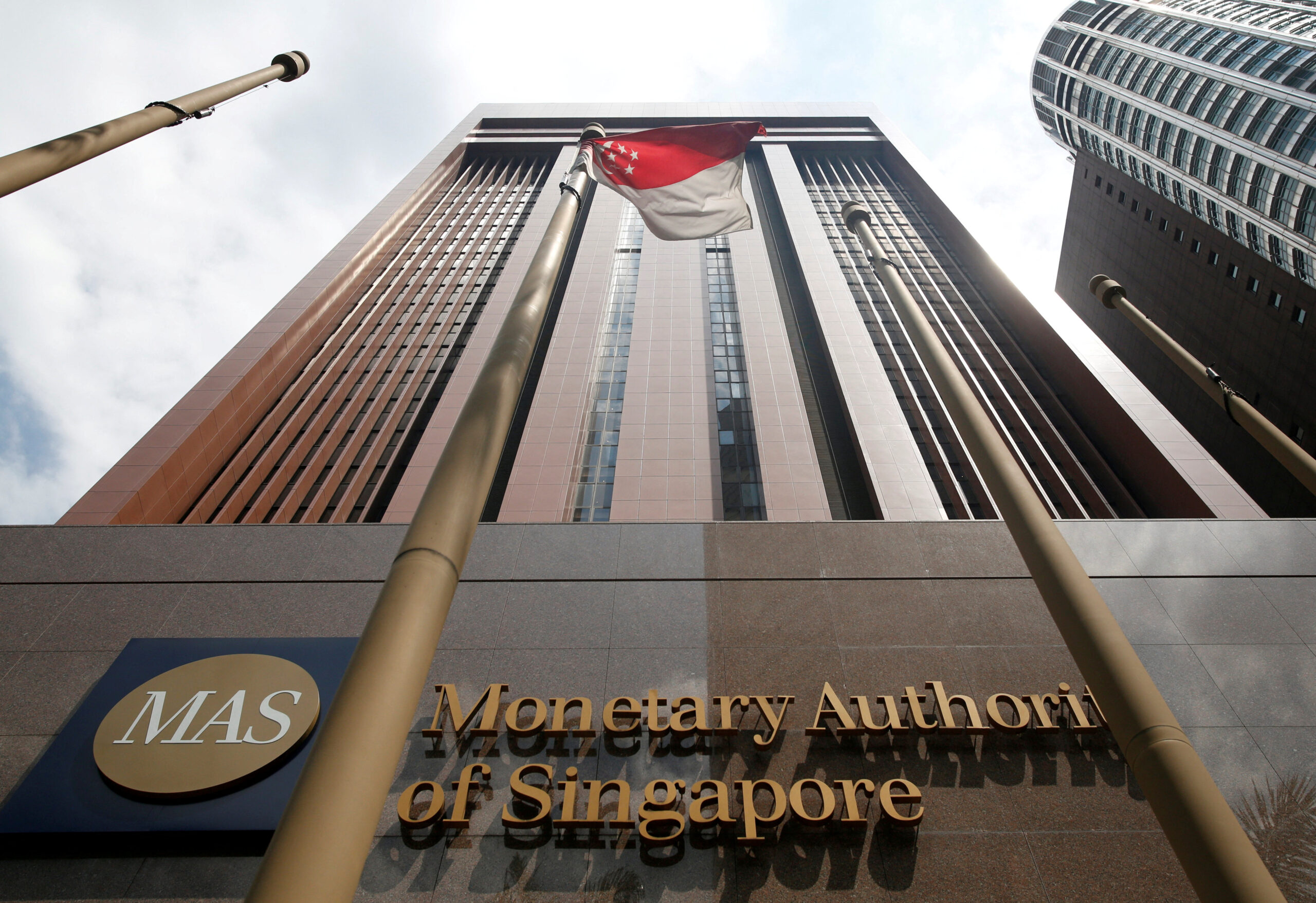
Singapore does not set monetary policy by moving a policy rate. Instead, the Monetary Authority of Singapore manages the Singapore dollar’s trade-weighted exchange rate within a policy band, adjusting its slope, midpoint, and width.
On 29 January, MAS kept settings unchanged and flagged upside risks to growth and inflation. It also lifted its 2026 inflation forecasts. Economists read the statement as slightly more hawkish, which supports the Singapore dollar but can tighten conditions for exporters and rate-sensitive sectors.
For businesses, the practical impact is felt in hedging costs, pricing, and financing. When the US dollar firms, import bills can rise in local currency terms for the region. When the yen moves, electronics and auto supply chains can reprice quickly. When China eases, commodity demand expectations can shift.
Why markets feel more fragile now
Markets dislike uncertainty more than bad news. Divergence increases uncertainty because it widens the range of possible outcomes. Yield gaps can open quickly. FX volatility can jump. And equity investors may struggle to price earnings when funding costs diverge by region.
In this environment, global markets are not reacting to one central bank. They are reacting to the gaps between them. For Asia, including Singapore, the key challenge is staying flexible as the world’s major monetary engines pull in different directions.