
Singapore Reviews Cost-of-Living Measures as Household Expenses Remain in Focus

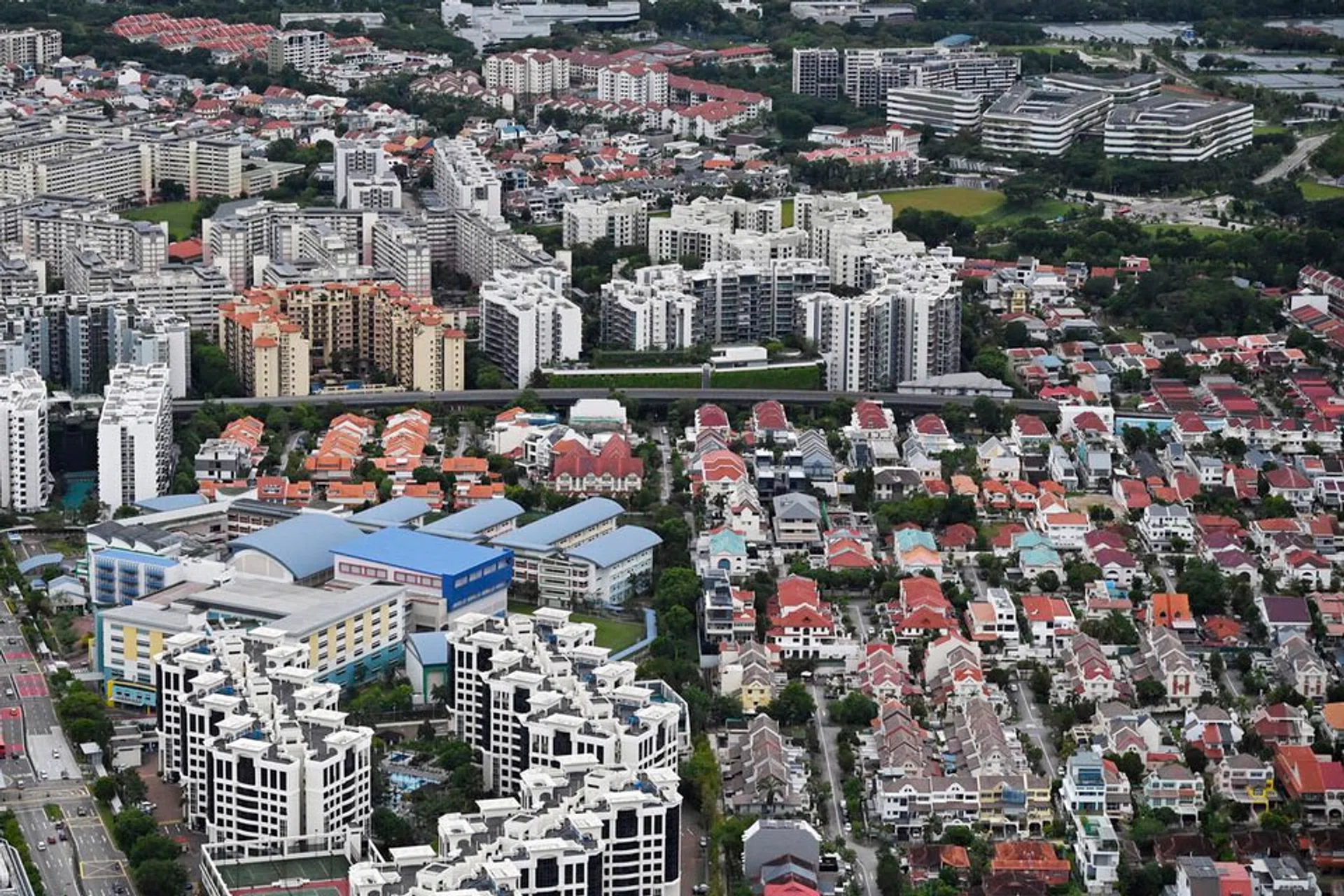
Singapore is preparing for another round of scrutiny over household costs. Inflation has eased from recent peaks, but daily expenses still feel tight for many families. That tension is shaping expectations ahead of Budget 2026, as the Government weighs what support should look like next.
The message from policymakers has been consistent. Help must be timely. It must be targeted. And it must protect the most vulnerable, even as broader economic conditions improve.
Budget 2026 puts household costs back in the spotlight
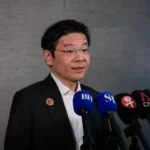
Budget 2026 will be delivered in Parliament on 12 February 2026 at 3.30pm. Prime Minister Lawrence Wong, who is also Finance Minister, has signalled that cost pressures remain one of the issues the Budget will address, alongside jobs and wider uncertainty.
That framing matters. It suggests the cost-of-living conversation is shifting from emergency relief to a more calibrated approach. The question is no longer whether help is needed. It is how long broad-based measures should run, and how quickly support should narrow to households that feel the strain most.
What support is already on the table
Singapore’s current cost-of-living support is built on a mix of cash, vouchers, and rebates. Much of it sits under the Assurance Package, which was designed to help households adjust to the Goods and Services Tax increase, while cushioning rising prices.
A key element is the Community Development Council voucher scheme. As announced in Budget 2025, every Singaporean household is set to receive an additional S$800 in CDC vouchers, split across two tranches. The final S$300 tranche for January 2026 became available for households to claim from 2 January 2026, and it is valid through 31 December 2026.
Assurance Package cash payouts also continue on a set schedule. Eligible recipients receive these payouts in December each year from 2022 through 2026. The Government has also announced that adult Singaporeans aged 21 and above in 2026 will receive between S$100 and S$600 in Assurance Package cash, with disbursements beginning from 5 December 2025 for that cycle.
These measures aim to lower day-to-day pressure without distorting prices. Vouchers also channel spending into neighbourhood merchants, hawker centres, and supermarkets.
Inflation may be cooler, but bills still bite
The lived experience of “cost of living” is broader than inflation data. Even when inflation slows, prices do not fall back to old levels. They usually rise more slowly from a higher base. That can leave households feeling stuck, especially if wages do not keep pace with essentials.
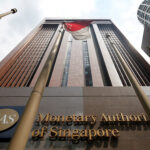
Recent guidance from the Monetary Authority of Singapore points to a cautious outlook. MAS has raised its 2026 forecasts for both core inflation and headline inflation to 1.0% to 2.0%. Core inflation strips out accommodation and private road transport costs. It is often used as a cleaner read of underlying price pressures.
For families, this means essentials such as food, services, and daily consumption remain central. It also means the policy debate is shifting toward how to manage persistent, uneven pressure across different groups.
Why the next phase could be more targeted
Economists and market watchers increasingly expect a more selective approach in Budget 2026. Broad-based support has been popular and easy to administer. However, it is also costly. As inflation normalises, policymakers may prefer sharper targeting to protect fiscal space while still supporting those who need help most.
That is where household profiles diverge. Retirees and lower-income families typically feel larger shocks from food and utilities. Larger households face heavier recurring costs. Families with young children also face persistent expenses linked to care and education.
Targeted support can include higher payouts for lower-income groups, stronger rebates for smaller flats, or more help for families with dependants. It can also focus on households facing job transitions, as technology and restructuring change labour demand across sectors.
Vouchers remain popular, but the debate is shifting
CDC vouchers have become one of the most visible forms of support. They are simple to use and widely understood. They also deliver a double effect by helping households while supporting heartland businesses.
However, the policy question now is scale. If headline inflation stays contained, broad vouchers may be reduced in size, issued less often, or adjusted by income. A more targeted model could also shift the balance toward cash, which gives households more flexibility, especially for expenses that cannot be paid with vouchers.
Whatever the next design, households will likely continue to see a mix of support tools. Vouchers are effective for daily spending. Cash helps with rent, fees, and bills. Rebates help with recurring utilities and conservancy charges.
What Singapore households can do now
Even before Budget day, households can take practical steps to manage costs.
Track the “big three” monthly drains: groceries, transport, and utilities. Small changes here add up fastest. Use vouchers strategically for essentials, not discretionary spending. If a household has the January 2026 CDC tranche available, claiming early can make budgeting easier, especially for supermarket runs.
For those with loans, watch interest rate resets and refinancing options. Singapore’s monetary policy is exchange-rate based, not interest-rate based. Still, global rates affect local borrowing costs through funding markets. If global yields rise, household debt servicing can tighten.
Finally, check eligibility for existing schemes. Many payouts are automatic, but some benefits depend on household composition, property type, or residency details.
What to watch in the weeks ahead
Budget 2026 will be closely watched for three signals.
First, whether broad-based help continues at the same intensity, especially through vouchers and universal transfers. Second, whether support becomes more targeted toward lower- and middle-income households. Third, whether the Government links relief more explicitly to jobs and restructuring, such as reskilling support for households facing income disruption.
Singapore is balancing two realities at once. Prices have cooled, but they remain high in absolute terms. Support is still needed, but it must stay sustainable. The next set of cost-of-living measures will show how policymakers plan to keep that balance, while keeping household expenses firmly in view.