

Singapore Haze Peaks at PSI 192 as F1 Grand Prix Weekend Begins

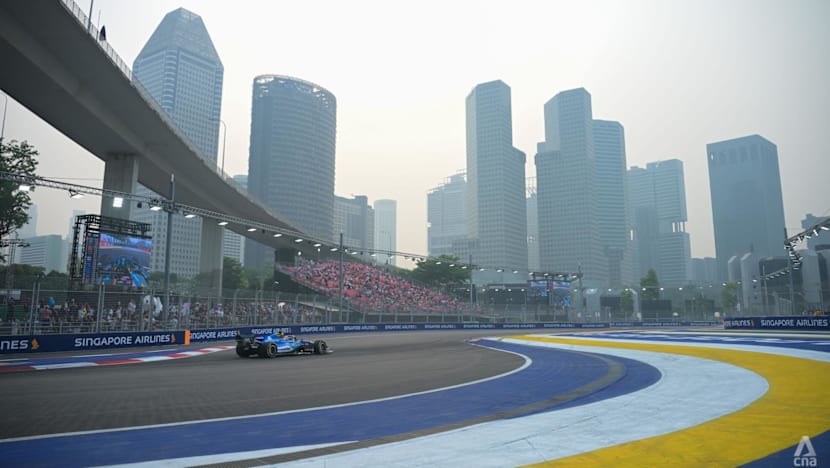
At five o’clock on a Friday afternoon, the air over central Singapore carried the acrid signature of distant burning. The 24-hour Pollutant Standards Index climbed to 192 in the central region — the highest reading recorded during this year’s haze season — just as the Singapore Grand Prix weekend was getting underway across the city.
The National Environment Agency has forecast that the 24-hour PSI could push into the low end of the Very Unhealthy range, which begins at 201. That threshold carries institutional weight: should the PSI breach 200, authorities will distribute N95 masks to eligible residents, including seniors and other vulnerable groups.
The contingency framework extends further. If forecasters project that the following day’s PSI will exceed 300 — entering the Hazardous range — schools may be ordered to close, a measure that signals how seriously Singapore’s regulatory architecture treats sustained air quality failure.
Hazy conditions blanketed the island through Friday, October 9, driven by the transboundary smoke that has periodically tested Singapore’s air quality management over successive dry seasons. The source, as in prior years, lies in land-clearing fires across the wider region, whose smoke drifts southwest depending on prevailing winds.
Grand Prix organisers confirmed that contingency measures are in place should conditions deteriorate over the race weekend. The Singapore Grand Prix, held on a street circuit that winds through the civic and marina districts, draws tens of thousands of spectators outdoors across multiple sessions — a logistical reality that makes air quality management considerably more complex than in an enclosed venue.
The convergence of a regional environmental stress event and one of the city-state’s most commercially significant sporting weekends places Singapore’s institutional resilience in sharp relief. Whether the PSI stabilises or crosses into Very Unhealthy territory, the response mechanisms already in motion reflect a system calibrated for exactly this kind of compound pressure.



