

Singapore Man Faces Ten Years in Prison Over AI-Generated Crocodile Image That Shut Down Pandan Reservoir

It began with a single image shared between colleagues.
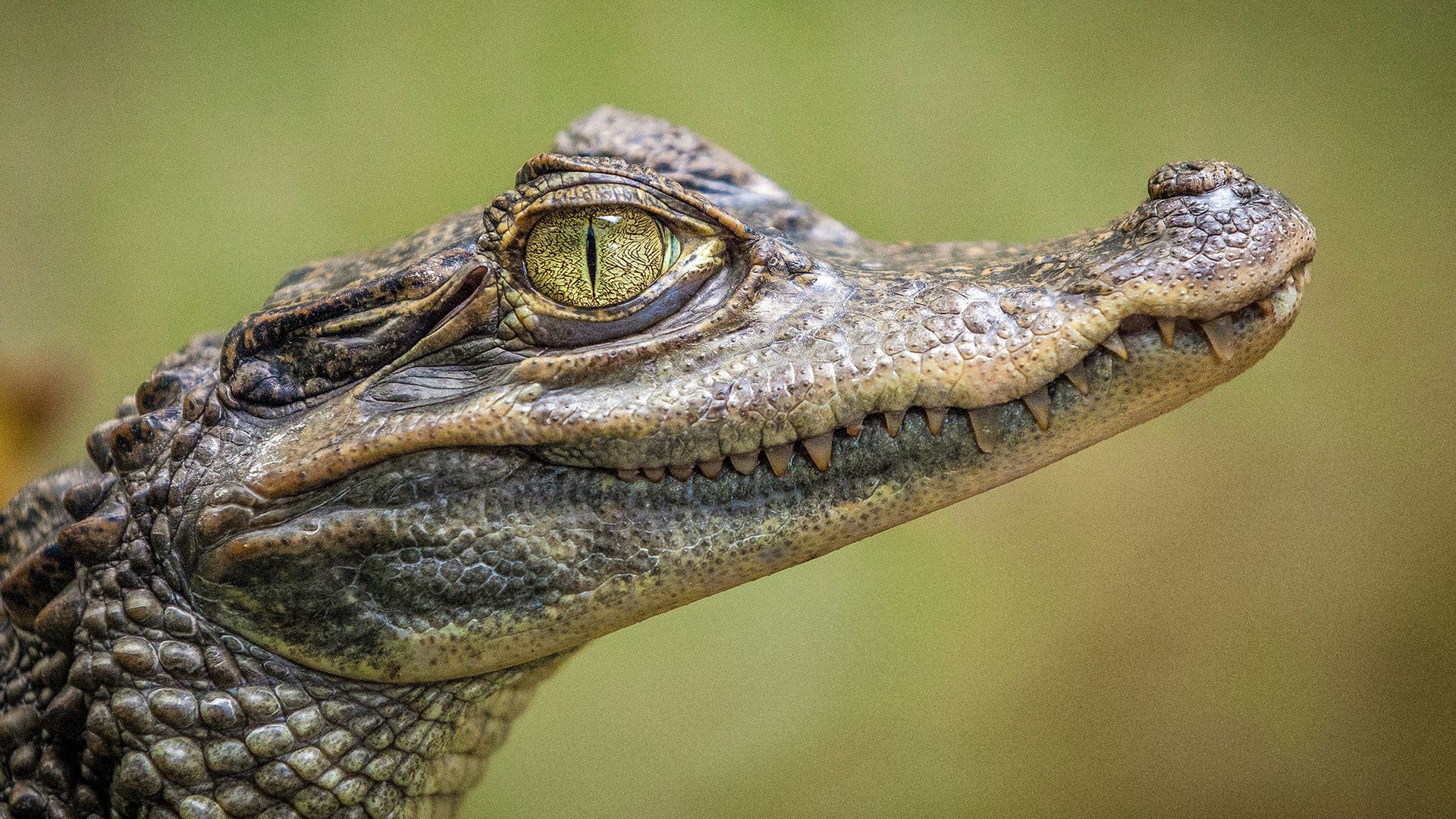
On August 20, a photograph began circulating that appeared to show a crocodile lurking in the waters of Pandan Reservoir, one of Singapore’s popular public recreational spaces. Singapore’s national water agency responded swiftly, suspending all rowing and canoeing activities while it mounted a search for the animal. No crocodile was ever found, because none had ever existed. The image was fabricated using a generative AI tool — and the man who made it, a 30-year-old Myanmar national named Ye Lin, now faces up to ten years in prison.
The legal exposure is substantial. Two separate charges underpin the case. On the charge of sending a false message, Ye Lin could face up to three years in prison, a fine of up to S$10,000, or both. The second charge — obstructing justice — carries a maximum custodial sentence of seven years, with an unspecified fine also possible. Ye Lin is reportedly intending to plead guilty when he appears in court in November, and will be counting on judicial leniency to temper what the statute books permit.
What makes the case particularly instructive is how modest the original act was. According to Singapore Police Force, Ye Lin did not post the image publicly. He shared it with a single colleague. He then deleted both the image and the Gemini application he had used to generate it — a move the police described as “an attempt to conceal his actions.” That concealment, rather than any viral spread, appears to have sharpened the authorities’ resolve to prosecute. The image’s reach beyond that one recipient remains unclear, but the reservoir closure it triggered was real, and the public resources deployed to investigate were real.
The Singapore Police Force did not soften its language in its public statement. “The Police will not hesitate to take action against anyone who communicates falsehoods,” it said. “Apart from causing fear and inconvenience to members of the public, such falsehoods also result in public resources being unnecessarily deployed to deal with these incidents.” The framing is deliberate: this is not merely a story about a man and a fake photograph. It is an institutional signal about where Singapore draws the line on AI-generated misinformation, and how seriously it intends to enforce that boundary.
There is a technical dimension that has drawn its own scrutiny. Google’s Gemini platform embeds an invisible digital watermark — known as SynthID — into images it generates, designed precisely to allow verification of AI provenance. If the image was indeed produced by Gemini, as the Straits Times reported, that watermark should have been present. Whether it was stripped out, overlooked, or simply never checked once the image began circulating is a question that has not been publicly answered. It points to a broader gap: the infrastructure to detect AI-generated content exists, but the habit of using it has not yet caught up.
Online reaction has been mixed, with a portion of commentators expressing sympathy for Ye Lin and arguing that sharing one image with one colleague sits at the less egregious end of the misinformation spectrum. But the more pointed question being asked is a different one entirely — not why he made the image, but why, once the reservoir was shut down and a search was underway, he said nothing. That silence, and the deletion that preceded it, transformed what might have been a foolish stunt into something the state treats as an act of obstruction.
Singapore’s legal architecture around misinformation is neither new nor improvised. The Protection from Online Falsehoods and Manipulation Act has been in force since 2019, and the state has consistently signalled that digital tools do not create a zone of impunity — they create new instruments for old offences. Ye Lin’s case arrives at a moment when generative AI has made image fabrication trivially easy and democratically accessible. The ten-year ceiling on his combined charges is the state’s answer to that accessibility: a ceiling high enough to concentrate minds.
A reservoir reopened. A man awaits sentencing. The gap between a casual act and a serious consequence has rarely looked so narrow.