
Waymo Eyes Singapore for 2028 Launch, Betting on First-and-Last-Mile Demand

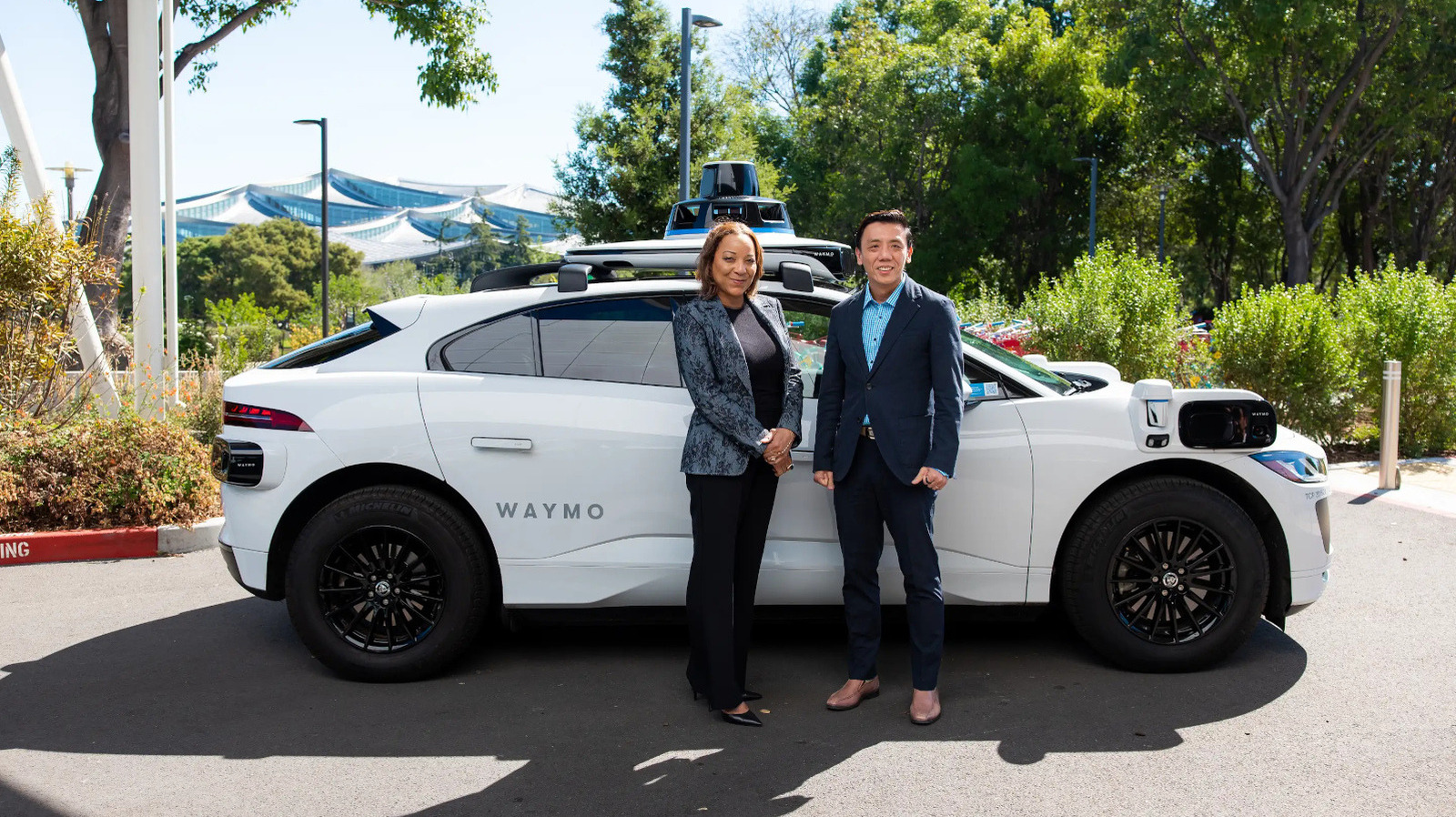
Waymo’s announcement that it will begin public ride-hailing operations in Singapore by 2028 is more than a corporate expansion headline. It represents a calculated wager that autonomous vehicle technology, developed and refined in the relatively controlled environment of American cities, can adapt to the institutional and infrastructural density of Southeast Asia’s most regulated urban state.
A Methodical Entry, Not a Sprint
The timeline Waymo has outlined is deliberately staged. Its first Jaguar I-PACE vehicles will arrive in Singapore over the coming months, and throughout 2027, the company’s specialists will manually drive those vehicles across the island to build high-definition maps and calibrate the system for Singapore’s specific road geometry and weather patterns. Only after that groundwork is complete does Waymo intend to offer rides to the public through its own app, targeting 2028 as its commercial launch date.
This phased approach mirrors what Waymo executed in Tokyo, where it began testing in 2025 before announcing commercial availability for 2027. In Tokyo, rides will be available both through Waymo’s proprietary app and through GO Taxi, a platform already embedded in Japanese commuter habits. Singapore’s launch, by contrast, appears currently limited to Waymo’s own app — a detail worth watching, as local app integration would signal deeper market commitment.
Singapore is not Waymo’s first international foray, but it is arguably its most consequential. Tokyo, for all its complexity, operates within a regulatory culture that has shown institutional appetite for mobility experimentation. Singapore’s Land Transport Authority is no less rigorous, and the city-state’s road network — dense, well-maintained, and governed by some of the most precise traffic regulation in the world — offers both a proving ground and a constraint.
The First-and-Last-Mile Thesis
Waymo’s stated rationale for both markets rests on a specific demand hypothesis: that residents in cities with robust public transit — MRT lines, buses, regional rail — still face friction at the edges of their journeys. The autonomous vehicle, in this framing, does not compete with the train. It feeds it.
This logic has genuine structural support in Singapore’s context. The MRT network, while extensive, leaves meaningful gaps in residential coverage, particularly in newer HDB estates on the city-state’s periphery. For commuters who live beyond comfortable walking distance of a station, or who face time pressure to catch a specific service, a reliable and affordable autonomous ride could fill a real gap rather than cannibalise existing transport modes.
What This Signals for the Region
Singapore’s function in ASEAN is often that of a proof-of-concept jurisdiction — a place where regulatory frameworks are stress-tested before broader regional adoption. If Waymo achieves a credible commercial operation here, it builds the template for expansion into markets like Kuala Lumpur or Bangkok, where infrastructure gaps are wider and the first-and-last-mile problem is considerably more acute.
The deeper implication is institutional. Waymo’s entry into Singapore is not simply a technology deployment; it is a negotiation with one of the world’s most capable regulatory states. How that negotiation resolves — on data handling, on liability, on service parameters — will shape the terms under which autonomous mobility enters the broader Asia-Pacific market. The 2028 target is a date, but the framework being built around it may matter considerably more.