
China Positions Itself as a Global Stabilising Force — But Concrete Proposals Remain Absent

Beijing is projecting a carefully constructed image on the world stage. The substance behind that image, however, remains harder to locate.
The Strategic Messaging
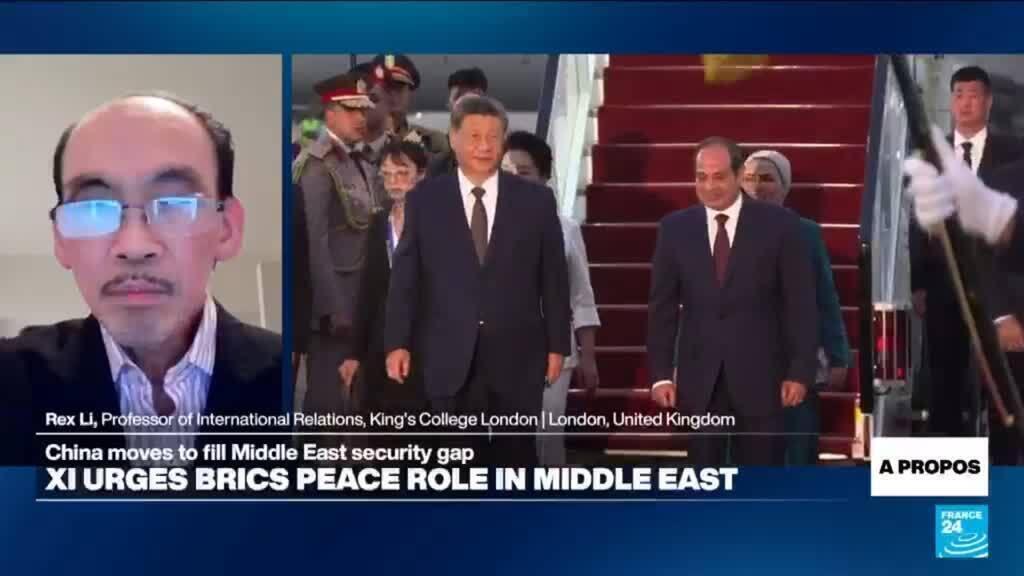
Rex Li, Professor of International Relations at King’s College London, argues that China is pursuing a deliberate and structured diplomatic posture — one designed to reframe how the international community perceives its role in global affairs.
Ambition Without Architecture
The gap between China’s stated intentions and its actionable diplomacy is not incidental. It reflects a structural tension at the heart of Beijing’s foreign policy: the desire for international legitimacy and influence, constrained by an institutional reluctance to commit to binding mediation frameworks that could expose China to reputational risk if they fail.
This is not a new pattern. China brokered the Saudi-Iran normalisation agreement in March 2023 to considerable international attention. Yet that deal has produced limited durable change on the ground. The optics were managed with precision. The follow-through was not.
What This Signals for the Region
For ASEAN states and other middle powers navigating between Washington and Beijing, China’s posture carries real implications. A China that positions itself as a stabilising force — even rhetorically — creates diplomatic space that smaller states can exploit. It also raises expectations Beijing may struggle to meet.
The credibility of China’s alternative security order will ultimately be tested not by its messaging, but by whether it can translate diplomatic positioning into durable, verifiable outcomes. So far, that test remains pending.