

Trump’s “One Big Beautiful Bill Act”: What It Has Delivered — and for Whom

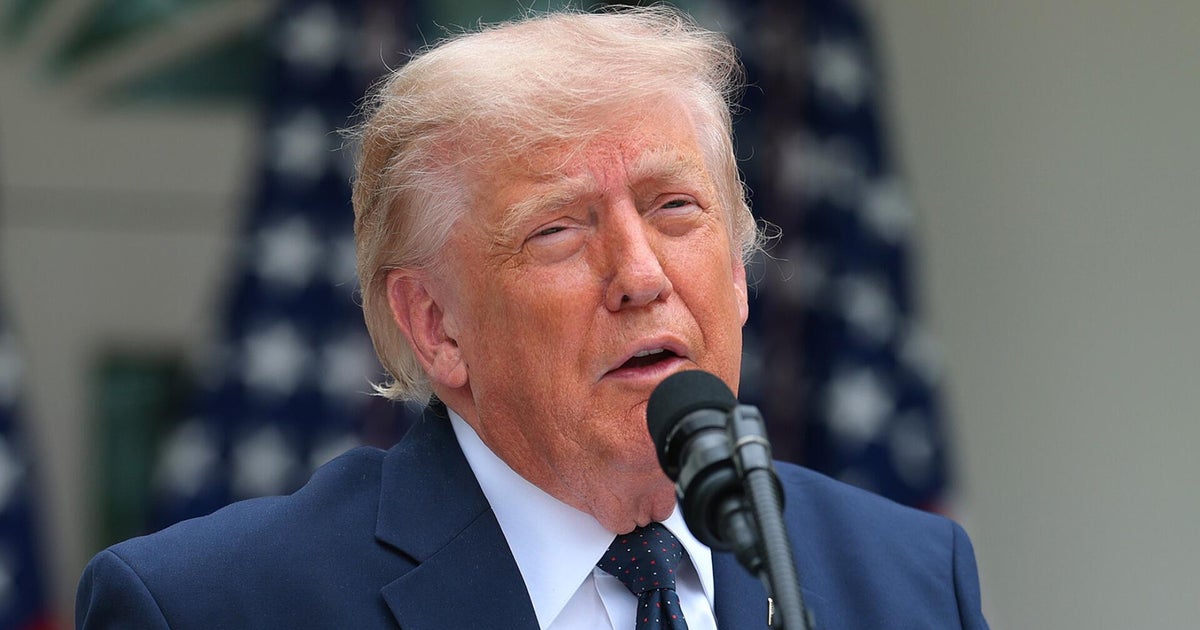
On a Monday morning in Washington, President Donald Trump stood before cameras to announce the launch of a new federal programme — tax-deferred investment accounts for every American child under the age of 18. The initiative, branded as Trump Accounts, arrived not as standalone legislation but as one provision embedded within a sweeping tax and spending law that Congress passed the previous year: the “One Big Beautiful Bill Act”. The fanfare was deliberate. So was the timing.
The law itself represents one of the most expansive fiscal interventions of Trump’s second term, restructuring federal spending priorities and reshaping the tax architecture that millions of American households navigate daily. Its passage through Congress was neither smooth nor swift, drawing sustained scrutiny over its distributional consequences — who gains, who loses, and over what horizon. A year on, those questions have sharpened considerably.
The Mechanics of the Trump Accounts
At the centre of Monday’s announcement sits a mechanism that functions, in broad strokes, like a hybrid between a 529 education savings plan and a Roth-adjacent investment vehicle. Contributions into these accounts grow tax-deferred, with the federal government seeding each account at birth. The political appeal is obvious: every child becomes a stakeholder, and every parent becomes a potential beneficiary of the administration’s fiscal narrative. The policy architecture, however, raises substantive questions about access, withdrawal conditions, and the degree to which lower-income families — those least likely to make supplemental contributions — will see meaningful returns over the account’s lifespan.
These accounts did not emerge in isolation. They are one thread within a much larger legislative fabric, one that simultaneously extended provisions from the 2017 Tax Cuts and Jobs Act, restructured certain social spending programmes, and introduced new fiscal incentives targeting domestic manufacturing and energy production. The breadth of the bill was, by design, its defining feature — a single legislative vehicle carrying an enormous range of policy changes that would have otherwise required separate, politically contentious votes.
A Year of Distributional Consequences
Twelve months after enactment, the picture that emerges is uneven. Upper-middle-class and wealthy households have benefited most visibly from the extended tax cuts, particularly those tied to capital gains treatment and estate provisions. Working-class households have encountered a more complicated calculus, where modest income tax reductions have, in some cases, been offset by changes to federal programme eligibility thresholds and adjustments to healthcare subsidy structures. The net effect, for many in the lower two income quintiles, has been negligible at best.
CBS News MoneyWatch reporter Megan Cerullo has tracked the law’s downstream effects on ordinary Americans, noting that the headline figures — aggregate tax savings, projected GDP impact — frequently obscure the granular reality facing households with variable incomes, gig-economy employment, or significant medical expenditures. The law’s complexity is not incidental; it reflects the political compromises required to secure enough congressional votes for passage, each compromise leaving a residue of carve-outs, phase-ins, and sunset clauses that make the legislation difficult to evaluate in aggregate.
The Structural Stakes
What the Trump Accounts announcement crystallises is a broader question about the law’s long-term institutional footprint. Tax-deferred accounts for children represent a multi-decade commitment — one that binds future administrations to a set of fiscal obligations whose full cost will only become legible when today’s children reach adulthood. The programme’s proponents argue it builds an ownership culture and democratises access to capital markets. Its critics contend it is a politically durable vehicle for directing public funds toward market instruments, with the compounding advantage flowing disproportionately to families who can afford to supplement the federal seed contribution.
The law also operates within a specific macroeconomic context that its architects could not fully anticipate. Persistent inflationary pressures, a Federal Reserve navigating competing mandates, and structural shifts in the labour market have all shaped how its provisions land in practice. A tax cut that looks generous on paper looks different when real wage growth remains constrained and the cost of housing, healthcare, and education continues to outpace headline inflation figures. For many Americans, the distance between legislative intent and lived experience remains considerable.
What Comes Next
The administration will continue to roll out implementation details for the Trump Accounts over the coming months, and the political messaging around the law shows no sign of softening. What will matter more, over time, is whether the structural choices embedded in the legislation — its treatment of labour income versus capital income, its approach to federal programme eligibility, its long-horizon commitments through vehicles like the new child accounts — compound advantage or distribute it more broadly. That is not a question Monday’s announcement answered. It is, however, the question that will define the law’s legacy.
For now, the accounts exist. The children are enrolled. And the fuller reckoning — fiscal, political, and human — is still accumulating interest.